In the realm of modern communication, fiber optic technology stands as a cornerstone, enabling high - speed data transmission with remarkable efficiency. Among the various components that make up a fiber optic network, the Fiber Optic SC Connector plays a crucial role. As a dedicated supplier of Fiber Optic SC Connectors, I am excited to delve into the working principle of this essential device.
The Basics of Fiber Optic Communication
Before we dive into the specifics of the SC connector, it's important to understand the fundamentals of fiber optic communication. Fiber optic cables are made up of thin strands of glass or plastic, known as optical fibers. These fibers use light to transmit data over long distances. The principle behind this is total internal reflection. When light enters the fiber at a certain angle, it bounces off the inner walls of the fiber and travels along the length of the cable without significant loss of signal.
Anatomy of a Fiber Optic SC Connector
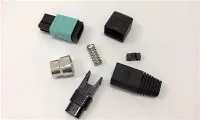
The SC connector, which stands for Subscriber Connector or Square Connector, is a popular type of fiber optic connector. It has a simple and compact design, with a push - pull latching mechanism. The connector consists of several key parts:
- Ferrule: This is the most critical part of the connector. It is a small, cylindrical piece, usually made of zirconia or ceramic. The ferrule holds the fiber in place and ensures precise alignment of the fiber cores when two connectors are mated. A well - made ferrule has a very smooth end - face, which is essential for minimizing signal loss.
- Housing: The housing provides mechanical protection for the ferrule and the fiber. It is typically made of plastic or metal and is designed to fit into a corresponding adapter. The housing also contains the latching mechanism that keeps the connector securely in place when it is plugged into an adapter.
- Strain Relief: This is a flexible part that protects the fiber from bending and pulling forces near the connector. It helps to prevent damage to the fiber, which could lead to signal loss.
The Working Principle of a Fiber Optic SC Connector
When two SC connectors are mated, the goal is to align the fiber cores as precisely as possible so that light can pass from one fiber to the other with minimal loss. Here's a step - by - step breakdown of the process:
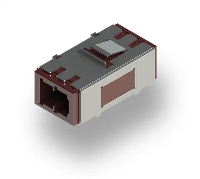
- Insertion: The first step is to insert the connector into an adapter. The adapter is a device that provides a stable and precise alignment mechanism for two connectors. When the SC connector is pushed into the adapter, the latching mechanism engages, holding the connector firmly in place.
- Ferrule Alignment: Inside the adapter, the ferrules of the two connectors are brought into contact. The adapter uses a sleeve or a guide to ensure that the ferrules are properly aligned. The fiber cores within the ferrules must be aligned within a few micrometers for optimal performance.
- Light Transmission: Once the ferrules are aligned, light can pass from one fiber to the other. The smooth end - faces of the ferrules minimize reflections and scattering of light, allowing most of the light to be transmitted across the connection. However, there is always some small amount of signal loss, which is measured in decibels (dB). This loss is due to factors such as misalignment, surface roughness, and Fresnel reflections.
- Signal Integrity: To maintain signal integrity, it is important to keep the end - faces of the ferrules clean. Even a small amount of dust or debris on the end - face can cause significant signal loss. Therefore, proper cleaning and handling procedures are essential when working with SC connectors.
Applications of Fiber Optic SC Connectors
Fiber Optic SC Connectors are widely used in various applications, including:
- Telecommunications: In telephone networks, SC connectors are used to connect fiber optic cables between central offices, cell towers, and customer premises. They are also used in high - speed broadband networks, such as fiber - to - the - home (FTTH) installations. For more information about FTTH connectors, you can visit Conector Ftth Fiber Optic Sc Fast Connector.
- Data Centers: In data centers, SC connectors are used to connect servers, storage devices, and networking equipment. The high - speed and low - loss characteristics of SC connectors make them ideal for handling large amounts of data traffic.
- Local Area Networks (LANs): SC connectors are commonly used in LANs to connect computers, switches, and routers. They provide a reliable and efficient way to transmit data within a building or a campus.
Advantages of Fiber Optic SC Connectors
There are several advantages to using Fiber Optic SC Connectors:
- Ease of Use: The push - pull latching mechanism makes it easy to insert and remove the connector. This is especially useful in applications where frequent connections and disconnections are required.
- Low Insertion Loss: Due to the precise alignment of the fiber cores and the smooth end - faces of the ferrules, SC connectors have relatively low insertion loss. This means that more of the light signal is transmitted across the connection, resulting in better performance.
- High Reliability: The compact and robust design of the SC connector makes it highly reliable. It can withstand mechanical stress, temperature changes, and environmental factors without significant degradation of performance.
Our Offerings as a Supplier
As a leading supplier of Fiber Optic SC Connectors, we offer a wide range of products to meet the diverse needs of our customers. Our connectors are manufactured using high - quality materials and advanced manufacturing processes, ensuring excellent performance and reliability. We have different types of SC connectors, including Fiber Optic Sc Connector and Upc Fast Optical Sm Fiber Connector Sx Core Sc/upc.
We also provide comprehensive technical support and after - sales service. Our team of experts can help you choose the right connector for your application, and we can assist with installation, testing, and troubleshooting.
Conclusion
The Fiber Optic SC Connector is a vital component in modern fiber optic communication systems. Its simple yet effective design, combined with its excellent performance, makes it a popular choice for a wide range of applications. Whether you are building a telecommunications network, a data center, or a local area network, the SC connector can provide a reliable and efficient solution.


If you are interested in purchasing Fiber Optic SC Connectors or have any questions about our products, please feel free to contact us. We are always ready to discuss your requirements and provide you with the best solutions.
References
- "Fiber Optic Communication Technology" by Gerd Keiser.
- Industry standards and specifications for fiber optic connectors, such as those published by the Telecommunications Industry Association (TIA) and the International Electrotechnical Commission (IEC).