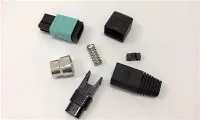
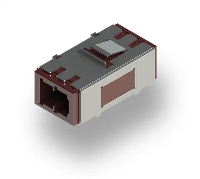
In the dynamic realm of fiber optic technology, the Fiber Optic MPO Adapter stands as a crucial component, facilitating seamless high - density connectivity. One of the key aspects that often comes under scrutiny when evaluating this adapter is its tensile strength. As a leading supplier of Fiber Optic MPO Adapters, we are well - versed in the intricacies of this parameter and its implications for real - world applications.
Understanding Tensile Strength
Tensile strength, in the context of a Fiber Optic MPO Adapter, refers to the maximum amount of tensile (pulling) force that the adapter can withstand before it experiences permanent deformation or failure. This property is of utmost importance as fiber optic networks are often subject to various mechanical stresses during installation, maintenance, and normal operation.
When cables are pulled through conduits, around corners, or when they are adjusted in a rack, the MPO adapters are also subjected to pulling forces. If the tensile strength of the adapter is insufficient, it can lead to misalignment of the fiber connections, which in turn can cause signal loss, increased attenuation, and ultimately, network failures.
Factors Affecting Tensile Strength
Material Composition
The materials used in the construction of the Fiber Optic MPO Adapter play a significant role in determining its tensile strength. High - quality plastics and metals are commonly used. For example, adapters made from engineering plastics such as polycarbonate or acrylonitrile butadiene styrene (ABS) can offer good tensile strength along with other desirable properties like lightweight and corrosion resistance.
Metals, on the other hand, such as stainless steel or aluminum, can provide even higher tensile strength. Stainless steel adapters are known for their durability and ability to withstand high - stress environments. However, they may also be heavier and more expensive compared to plastic counterparts.
Design and Structure
The design of the MPO adapter also impacts its tensile strength. A well - designed adapter will have a robust internal structure that distributes the tensile forces evenly across the body of the adapter. This can be achieved through features such as reinforced ribs, proper alignment mechanisms, and secure locking systems.
For instance, an adapter with a well - engineered locking mechanism can prevent the adapter from being accidentally pulled apart under normal operating conditions. Additionally, the shape and size of the adapter can influence how it responds to tensile forces. Adapters with a more streamlined and compact design may be less prone to damage from pulling forces compared to larger, bulkier designs.
Testing Tensile Strength
To ensure the reliability of our Fiber Optic MPO Adapters, we conduct rigorous tensile strength testing. This involves subjecting the adapters to gradually increasing pulling forces until they reach the point of failure. The results of these tests are carefully recorded and analyzed to determine the average and maximum tensile strength of each batch of adapters.
During the testing process, we use specialized equipment that can accurately measure the pulling force applied to the adapter. We also monitor other parameters such as signal loss and optical performance to ensure that the adapter maintains its functionality even under stress. By conducting these tests, we can guarantee that our adapters meet or exceed industry standards for tensile strength.
Real - World Applications and Tensile Strength Requirements
In different real - world scenarios, the required tensile strength of a Fiber Optic MPO Adapter can vary significantly.
Data Centers
In data centers, where high - density fiber optic connections are the norm, MPO adapters are used extensively. These environments often involve frequent cable management and reconfiguration. Therefore, adapters need to have a relatively high tensile strength to withstand the pulling forces associated with these activities. A typical data center may require MPO adapters with a tensile strength of at least 50 - 100 Newtons to ensure reliable long - term performance.
Telecommunication Networks
Telecommunication networks, which span large geographical areas, also rely on MPO adapters for efficient signal transmission. In outdoor installations, these adapters are exposed to harsher environmental conditions and may be subject to greater mechanical stresses. For example, when cables are installed underground or on poles, they may be pulled by factors such as wind, vibration, or accidental tugging. In such cases, the required tensile strength of the MPO adapters can be even higher, ranging from 100 - 200 Newtons or more.
Comparing with Other Fiber Optic Adapters
It is also interesting to compare the tensile strength of Fiber Optic MPO Adapters with other types of fiber optic adapters. For example, Fiber Optic E2000 Adapter is another popular type of adapter. E2000 adapters are known for their high - quality optical performance and secure locking mechanism. However, in terms of tensile strength, MPO adapters generally have an advantage due to their design for high - density applications.
China Lc Lc Duplex Fiber Optic Adapter is commonly used for duplex fiber connections. These adapters are more suitable for applications where space is not a major concern and lower - density connections are required. While they can provide reliable signal transmission, their tensile strength may not be as high as that of MPO adapters, especially in high - stress environments.
Fiber Optic Lc Adapters are also widely used in fiber optic networks. They are known for their small size and ease of use. However, similar to LC - LC duplex adapters, their tensile strength may be lower compared to MPO adapters, which are designed to handle multiple fiber connections and higher mechanical stresses.
Ensuring the Right Tensile Strength for Your Needs
As a supplier, we understand that different customers have different requirements when it comes to the tensile strength of Fiber Optic MPO Adapters. That's why we offer a wide range of adapters with varying tensile strength capabilities.
Before making a purchase, it is important for customers to assess their specific application requirements. Factors such as the installation environment, the frequency of cable management, and the expected mechanical stresses should all be taken into consideration. Our team of experts is always available to provide guidance and help customers select the right adapter with the appropriate tensile strength for their needs.


Contact Us for Purchase and Consultation
If you are in the market for high - quality Fiber Optic MPO Adapters with the right tensile strength for your application, we invite you to reach out to us. We have a proven track record of supplying reliable fiber optic products to customers around the world. Our commitment to quality and customer satisfaction ensures that you will receive the best possible products and services. Whether you have questions about our products, need assistance with product selection, or are ready to place an order, we are here to help.
References
- "Fiber Optic Network Design and Installation Handbook", McGraw - Hill
- "Optical Fiber Communication Technology", Pearson Education
- Industry standards and specifications from organizations such as the Telecommunications Industry Association (TIA) and the International Electrotechnical Commission (IEC)