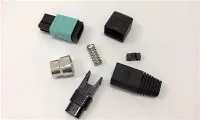
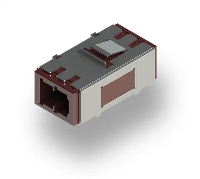
As a supplier of Fiber Optic MU Adapters, I often receive inquiries about the temperature range suitable for these crucial components in the fiber - optic communication field. Understanding the temperature range of a Fiber Optic MU Adapter is essential for ensuring its optimal performance and longevity in various environments.
The Basics of Fiber Optic MU Adapters
Fiber Optic MU Adapters are small - form - factor connectors widely used in high - density fiber - optic networks. They provide a reliable and efficient way to connect fiber - optic cables, enabling seamless data transmission. These adapters are designed to maintain low insertion loss and high return loss, which are critical parameters for ensuring the quality of the optical signal.
The Ideal Temperature Range
The typical temperature range for a Fiber Optic MU Adapter is from - 40°C to 85°C. This range is carefully determined based on the materials used in the adapter's construction and the physical properties of fiber - optic cables.
At the lower end of the temperature spectrum, around - 40°C, the materials of the adapter need to remain flexible enough to maintain a proper connection with the fiber - optic cables. Cold temperatures can cause materials to become brittle, which may lead to cracks or breaks in the adapter or the cable connections. This could result in increased insertion loss and signal degradation.
On the other hand, at the upper end of the range, around 85°C, the adapter must withstand the heat without significant expansion or deformation. High temperatures can cause the plastic components of the adapter to soften, which may affect the alignment of the fiber - optic cores. Misalignment can lead to higher insertion loss and reduced return loss, ultimately degrading the performance of the fiber - optic link.
Impact of Temperature on Performance
Insertion Loss
Insertion loss is a measure of the amount of optical power lost when light passes through the adapter. Temperature variations can have a significant impact on insertion loss. In cold temperatures, the contraction of materials can cause the fiber - optic cores to move slightly out of alignment, increasing the insertion loss. In hot temperatures, the expansion of materials can also lead to misalignment and increased insertion loss.
Return Loss
Return loss measures the amount of light that is reflected back from the adapter. Temperature changes can affect the refractive index of the materials in the adapter, which in turn can impact the return loss. A decrease in return loss means more light is being reflected back, which can cause interference and degrade the signal quality.
Applications in Different Environments
Indoor Environments
In indoor data centers or telecommunications rooms, the temperature is usually well - controlled. However, even in these relatively stable environments, there can be temperature variations due to equipment heat generation and ventilation issues. Fiber Optic MU Adapters with a wide temperature range can ensure reliable performance in such environments, even when there are minor temperature fluctuations.
Outdoor Environments
Outdoor applications, such as in telecommunications networks or smart city infrastructure, expose Fiber Optic MU Adapters to a much wider range of temperatures. In regions with extreme cold or hot climates, the ability of the adapter to operate within a wide temperature range is crucial. For example, in a desert environment, where temperatures can soar during the day and drop significantly at night, a Fiber Optic MU Adapter that can handle temperatures from - 40°C to 85°C is essential for maintaining a stable connection.
Comparison with Other Fiber - Optic Adapters
When considering different fiber - optic adapters, it's important to note that the temperature range can vary. For instance, the [Fiber Optic ST Coupler](/fiber - optic - adapter/fiber - optic - st - coupler.html) and the [Fiber Optic MTRJ Adapter](/fiber - optic - adapter/fiber - optic - mtrj - adapter.html) may have different temperature ranges based on their design and materials. The [China LC LC Duplex Fiber Optic Adapter](/fiber - optic - adapter/china - lc - lc - duplex - fiber - optic - adapter.html) also has its own set of performance characteristics, including temperature tolerance.
Ensuring Optimal Performance
To ensure that Fiber Optic MU Adapters perform optimally within their temperature range, proper installation and maintenance are crucial. During installation, it's important to follow the manufacturer's guidelines to ensure correct alignment and connection of the fiber - optic cables. Regular inspections should be carried out to check for any signs of damage or degradation, especially in high - temperature or low - temperature environments.


Why Choose Our Fiber Optic MU Adapters
As a supplier, we take pride in offering Fiber Optic MU Adapters that are designed to meet the highest standards of performance and reliability. Our adapters are tested to ensure they can operate within the - 40°C to 85°C temperature range, providing you with peace of mind in any environment. We use high - quality materials and advanced manufacturing processes to ensure low insertion loss, high return loss, and long - term durability.
Contact Us for Procurement
If you are in the market for high - quality Fiber Optic MU Adapters, we invite you to contact us for procurement and further discussions. Our team of experts is ready to assist you in finding the right solutions for your specific needs. Whether you are building a new fiber - optic network or upgrading an existing one, our Fiber Optic MU Adapters can provide the performance and reliability you require.
References
- "Fiber Optic Connector Handbook"
- Industry standards and specifications for fiber - optic adapters