Hey there! As a supplier of Fiber Optic MU Connectors, I often get asked about the insertion loss of these connectors. So, I thought I'd write a blog post to explain what it is, why it matters, and how it affects the performance of your fiber optic network.
What is Insertion Loss?
Insertion loss is basically the amount of light that's lost when it travels through a connector. You can think of it like a leak in a water pipe. Just as some water might seep out through the leak, some light gets lost as it passes through the connector. This loss is measured in decibels (dB), and a lower dB value means less light is being lost.
In the world of fiber optics, even a small amount of insertion loss can have a big impact. That's because fiber optic cables are designed to carry light signals over long distances with as little loss as possible. If the insertion loss is too high, the signal might weaken to the point where it can't be accurately received at the other end.
Why Does Insertion Loss Matter?
Well, for starters, it directly affects the quality of your fiber optic network. A high insertion loss can lead to a weak signal, which in turn can cause data errors, slow speeds, and even complete signal loss. This is a huge problem, especially in applications where reliability and high-speed data transfer are crucial, like in data centers, telecommunications networks, and even in some home internet setups.
Imagine you're running a business that relies on a fiber optic network to transfer large amounts of data every day. If the insertion loss in your connectors is too high, you could experience frequent downtime, lost productivity, and frustrated customers. So, keeping insertion loss to a minimum is essential for maintaining a high-performing network.
Factors Affecting Insertion Loss in Fiber Optic MU Connectors
There are several factors that can contribute to insertion loss in Fiber Optic MU Connectors. Let's take a look at some of the most common ones:
Physical Alignment
One of the biggest factors is how well the fibers are aligned within the connector. If the fibers aren't perfectly aligned, the light won't be able to pass through smoothly, and some of it will be lost. This can happen due to manufacturing defects, improper installation, or even normal wear and tear over time.
End-Face Quality
The quality of the end faces of the fibers also plays a big role. If the end faces are dirty, scratched, or not polished correctly, it can cause light to scatter and be lost. That's why it's so important to keep the connectors clean and to use proper cleaning tools and techniques.
Connector Type and Design
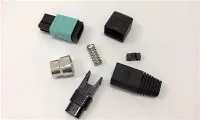
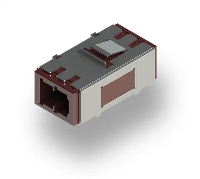
Different types of connectors have different levels of insertion loss. The MU connector, for example, is known for its small size and high-density capabilities, but it also has its own unique characteristics that can affect insertion loss. The design of the connector, including the way the fibers are held in place and the materials used, can all impact how well the light passes through.
How to Minimize Insertion Loss
As a supplier, I know how important it is to minimize insertion loss in our Fiber Optic MU Connectors. Here are some tips on how to do that:
Choose High-Quality Connectors
This might seem obvious, but it's worth repeating. Investing in high-quality connectors from a reputable supplier can make a big difference. At our company, we use the latest manufacturing techniques and strict quality control measures to ensure that our connectors have low insertion loss.
Proper Installation
Make sure that the connectors are installed correctly. This includes using the right tools, following the installation instructions carefully, and ensuring that the fibers are properly aligned. If you're not confident in your installation skills, it might be worth hiring a professional.
Regular Maintenance
Regular maintenance is key to keeping insertion loss to a minimum. This includes cleaning the connectors regularly to remove any dirt or debris, and inspecting them for any signs of damage. If you notice any problems, it's important to address them as soon as possible.
Comparing Insertion Loss with Other Connectors
It's also interesting to compare the insertion loss of Fiber Optic MU Connectors with other types of connectors. For example, the Fiber Optic Fast Connector is designed for quick and easy installation, but it might have slightly higher insertion loss compared to the MU connector. On the other hand, the 3 In 1 Ip68 Waterproof Connector is built to withstand harsh environments, but its insertion loss characteristics might be different due to its waterproof design.
The Fiber Optic Mpo Connector is another popular option, especially in high-density applications. It can support multiple fibers in a single connector, but the insertion loss can vary depending on the number of fibers and the quality of the connector.
Conclusion
In conclusion, insertion loss is a critical factor to consider when using Fiber Optic MU Connectors. By understanding what it is, why it matters, and how to minimize it, you can ensure that your fiber optic network performs at its best.


If you're in the market for high-quality Fiber Optic MU Connectors or have any questions about insertion loss, don't hesitate to reach out. We're here to help you find the right solutions for your needs. Whether you're setting up a new network or upgrading an existing one, we can provide you with the products and expertise you need to succeed.
References
- Fiber Optic Communication Technology Handbook
- Industry standards and specifications for fiber optic connectors