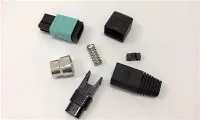
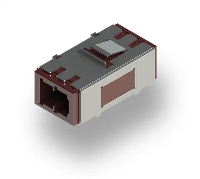
Fiber optic MPO patchcords have become an integral part of modern high - speed data transmission networks. As a supplier of fiber optic MPO patchcords, I often encounter questions from customers regarding their durability. In this blog, I will delve into the various aspects that determine the durability of a fiber optic MPO patchcord.

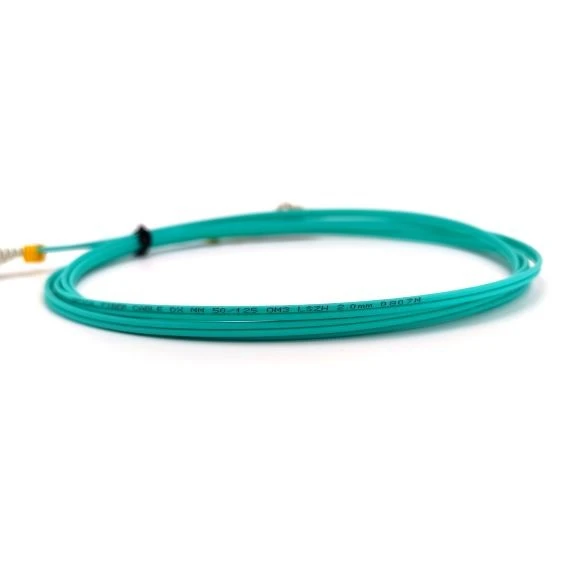
1. Structural Components and Their Impact on Durability
Fiber Optic Core
The core of a fiber optic MPO patchcord is the heart of the cable, responsible for carrying the light signals. Single - mode and multi - mode fibers are the two main types used in MPO patchcords. Single - mode fibers, with a smaller core diameter (usually around 9μm), are designed for long - distance transmission. They are less susceptible to signal loss over extended distances, which contributes to their long - term durability in applications such as telecommunications backbone networks.
Multi - mode fibers, on the other hand, have a larger core diameter (commonly 50μm or 62.5μm) and are suitable for shorter - distance transmissions, like within data centers. The larger core allows for more light to be transmitted, but it is also more prone to modal dispersion, which can affect the signal quality over time. However, with proper installation and in appropriate environments, multi - mode fibers in MPO patchcords can still provide reliable service for many years.
Buffer and Jacket
The buffer layer surrounds the fiber optic core and provides protection against mechanical stress. It can be made of materials such as acrylate or polyimide. Acrylate buffers are more common due to their cost - effectiveness, while polyimide buffers offer better resistance to high temperatures and chemicals.
The outer jacket of the MPO patchcord is the first line of defense against environmental factors. Jackets can be made of materials like PVC (Polyvinyl Chloride), LSZH (Low - Smoke Zero - Halogen), or PE (Polyethylene). PVC jackets are inexpensive and offer good general - purpose protection. LSZH jackets are preferred in environments where safety is a concern, such as in public buildings, because they emit little smoke and no toxic halogens when burned. PE jackets are known for their excellent resistance to moisture and UV radiation, making them suitable for outdoor applications. A high - quality buffer and jacket combination significantly enhance the durability of the patchcord.
Connectors
MPO connectors are crucial for the proper functioning of the patchcord. They are designed to align multiple fibers precisely, enabling efficient signal transmission. The durability of MPO connectors depends on several factors. The ferrule material, often made of zirconia, provides high precision and wear resistance. The polishing process of the ferrule end - face is also critical. A well - polished ferrule ensures low insertion loss and high return loss, which are essential for maintaining signal integrity over time.
Moreover, the locking mechanism of the MPO connector plays a role in durability. A secure locking mechanism prevents the connector from accidentally disconnecting, which could lead to signal interruption and potential damage to the connector and the fiber.
2. Environmental Factors Affecting Durability
Temperature
Extreme temperatures can have a significant impact on the performance and durability of fiber optic MPO patchcords. High temperatures can cause the materials in the buffer and jacket to expand, which may lead to micro - bending in the fiber core. Micro - bending can increase signal loss and degrade the overall performance of the patchcord. On the other hand, low temperatures can make the materials brittle, increasing the risk of cracking and breakage.
For example, in a data center with poor temperature control, the patchcords may experience performance issues over time. In outdoor applications, where temperatures can vary widely, using patchcords with temperature - resistant materials is essential to ensure long - term durability.
Humidity
Moisture is another enemy of fiber optic patchcords. High humidity levels can cause corrosion of the metal components in the connectors and degrade the optical performance of the fiber. Water can also seep into the fiber core through small cracks in the buffer or jacket, leading to signal attenuation.
In environments with high humidity, such as basements or near water sources, it is important to use patchcords with moisture - resistant jackets and proper sealing on the connectors. Additionally, regular inspections can help detect any signs of moisture damage early.
Chemical Exposure
Exposure to chemicals can damage the materials of the patchcord. For instance, solvents, acids, and alkalis can corrode the jacket, buffer, and connectors. In industrial environments where chemicals are present, using patchcords with chemical - resistant materials is necessary. LSZH jackets, for example, are more resistant to some chemicals compared to PVC jackets.
3. Installation and Handling
Proper Installation
The way a fiber optic MPO patchcord is installed has a direct impact on its durability. During installation, it is important to avoid excessive bending or twisting of the cable. The minimum bend radius specified by the manufacturer should be strictly followed. Bending the cable beyond the recommended radius can cause micro - and macro - bending, which can lead to signal loss and long - term damage to the fiber.
Proper alignment of the MPO connectors is also crucial. Misaligned connectors can cause high insertion loss and return loss, and repeated misalignment during connection and disconnection can wear out the connectors over time. Using alignment tools and following the installation instructions carefully can help ensure a proper and durable installation.
Handling
How the patchcords are handled during normal use also affects their durability. Rough handling, such as pulling the cable too hard or dropping the connectors, can cause physical damage to the cable and connectors. It is important to train the personnel who will be working with the patchcords on proper handling techniques.
4. Comparison with Other Types of Patchcords
When comparing the durability of fiber optic MPO patchcords with other types of patchcords, such as Fiber Optic St Jumper Leads, Sc/upc - sc/upc Ftth Drop Patch Cable, and Fiber Optic Lc Lc Patch Cable, MPO patchcords generally offer higher density and better performance in high - speed, multi - fiber applications.
However, the durability of these patchcords also depends on similar factors such as the quality of the materials, environmental conditions, and installation and handling. MPO patchcords may require more careful handling due to their complex multi - fiber connectors, but they can provide long - term durability when properly maintained.
5. Maintenance and Lifespan
Maintenance
Regular maintenance is key to ensuring the long - term durability of fiber optic MPO patchcords. This includes cleaning the connectors regularly to remove dust and debris, which can cause signal loss. Specialized cleaning tools, such as lint - free wipes and cleaning solutions, should be used to avoid scratching the connector end - face.
Inspecting the cable for any signs of physical damage, such as cuts, kinks, or abrasions, is also important. If any damage is detected, the patchcord should be replaced immediately to prevent further issues.
Lifespan
The lifespan of a fiber optic MPO patchcord can vary depending on the factors mentioned above. In a well - controlled environment with proper installation and maintenance, a high - quality MPO patchcord can last for 10 - 15 years or even longer. However, in harsh environments or with improper handling, the lifespan may be significantly reduced to just a few years.
Conclusion
In conclusion, the durability of a fiber optic MPO patchcord is determined by a combination of factors, including the quality of its structural components, the environmental conditions it is exposed to, the installation and handling practices, and the maintenance efforts. As a supplier, we are committed to providing high - quality MPO patchcords that are designed to withstand various challenges and offer long - term reliability.
If you are in need of fiber optic MPO patchcords or have any questions regarding their durability and performance, please feel free to contact us for more information and to discuss your specific requirements. We look forward to partnering with you to meet your fiber optic connectivity needs.
References
- "Fiber Optic Communication Technology" by Govind P. Agrawal
- Industry standards and guidelines from organizations such as the Telecommunications Industry Association (TIA) and the International Electrotechnical Commission (IEC)