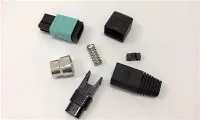
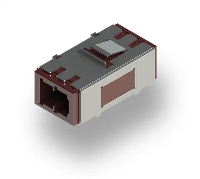
Hey there! As a supplier of Fiber Optic MPO Adapters, I often get asked about the compression resistance of these essential components. In this blog, I'm gonna break down what compression resistance means for a Fiber Optic MPO Adapter, why it matters, and how you can assess the quality of an adapter based on its compression capabilities.
First off, let's understand what a Fiber Optic MPO Adapter is. MPO stands for Multi - Fiber Push - On, and these adapters are used to connect multiple fiber optic cables together. They're super handy in high - density fiber optic networks, like data centers and telecommunication facilities. They can handle anywhere from 4 to 72 fibers in a single connector, which makes them a go - to choice for large - scale setups.
Now, the compression resistance of a Fiber Optic MPO Adapter refers to its ability to withstand external pressure without degrading the performance of the fiber optic connection. You see, in real - world scenarios, these adapters might be subjected to various forms of compression. For example, in a data center rack, the cables and adapters can get squeezed when other equipment is being installed or removed. In some industrial settings, vibrations and mechanical stress can also lead to compression on the adapters.
Why does compression resistance matter? Well, if an MPO adapter doesn't have good compression resistance, it can lead to a range of problems. When too much pressure is applied, the adapter might get distorted, which can cause the fiber optic connections inside to misalign. Misaligned fibers mean increased signal loss, which is a big no - no in fiber optic networks. Signal loss can result in reduced network speed, dropped connections, and in some cases, complete network failure. And in today's digital age, where businesses rely on stable and high - speed networks, any downtime can be extremely costly.
So, how do we measure the compression resistance of a Fiber Optic MPO Adapter? There are a few ways. One common method is through standardized testing. Manufacturers usually conduct tests where they gradually apply pressure to the adapter while monitoring the optical performance. They measure the insertion loss, which is the amount of signal that's lost when the light travels through the adapter. A good quality MPO adapter should maintain a low insertion loss even under a certain amount of compression.
Another important factor is the material used in the adapter's construction. Adapters made from high - quality, durable materials are more likely to have better compression resistance. For example, some adapters are made from advanced plastics or metals that are specifically engineered to withstand mechanical stress. These materials can absorb the pressure and prevent it from causing damage to the internal fiber connections.
When you're in the market for a Fiber Optic MPO Adapter, it's crucial to look for products that have been tested and certified for compression resistance. Reputable manufacturers will provide data sheets that detail the adapter's performance under different compression levels. You can also ask for samples to test in your own environment. This hands - on approach can give you a better idea of how the adapter will perform in your specific application.
Now, let's talk about the different types of fiber optic adapters out there. Besides the MPO adapter, there are other popular options like the China Lc Lc Duplex Fiber Optic Adapter and the Fiber Optic E2000 Adapter. Each type has its own unique features and applications. The LC LC duplex adapter is great for smaller, more compact setups, while the E2000 adapter is known for its high - performance and dust - protection capabilities. But if you're dealing with high - density fiber optic networks, the Fiber Optic Mpo Adapter is often the best choice due to its ability to handle multiple fibers at once.
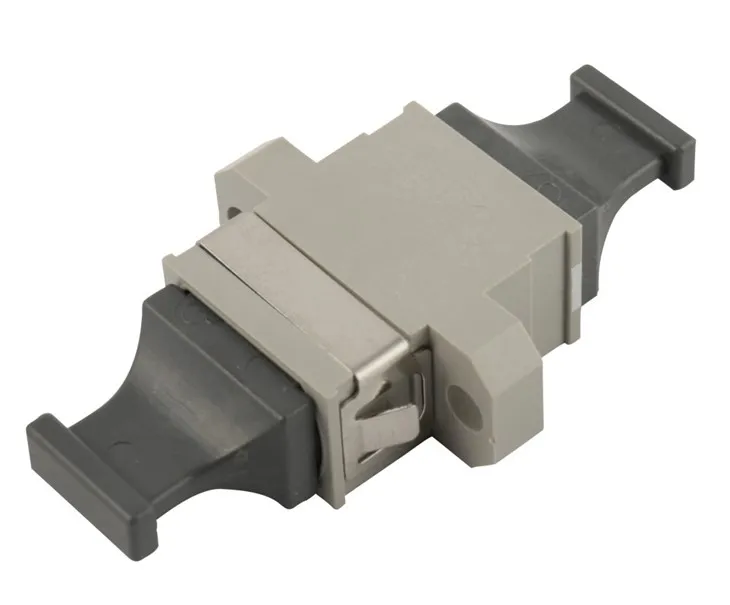

In addition to compression resistance, there are other factors to consider when choosing a Fiber Optic MPO Adapter. For example, the adapter's compatibility with different types of fiber cables is crucial. You need to make sure that the adapter can work seamlessly with the cables you're using, whether they're single - mode or multi - mode fibers. The connector type also matters. There are different MPO connector styles, and you should choose one that fits your specific network requirements.
The environmental conditions in which the adapter will be used are also important. If the adapter will be exposed to high temperatures, humidity, or dust, you'll need to choose an adapter that's designed to withstand these conditions. Some adapters come with special coatings or seals to protect them from environmental factors.
As a supplier, we understand the importance of providing high - quality Fiber Optic MPO Adapters. We've invested in the latest manufacturing technologies and testing equipment to ensure that our products meet the highest standards of performance and reliability. Our team of experts is always available to answer your questions and help you choose the right adapter for your needs.
If you're in the market for Fiber Optic MPO Adapters or other fiber optic products, don't hesitate to reach out. We're here to assist you in finding the best solutions for your network. Whether you're a small business looking to upgrade your network or a large data center in need of high - density fiber optic connections, we've got you covered. Contact us to start a discussion about your requirements and let's work together to build a reliable and high - performing fiber optic network.
References
- Industry standards and guidelines for fiber optic adapters
- Technical literature from leading fiber optic component manufacturers
- Case studies on the performance of fiber optic networks in different environments