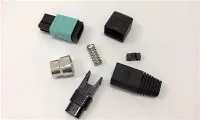
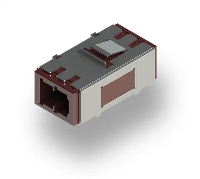
Hey there! I'm a supplier of Fiber Optic MU Connectors, and today I want to have an open chat about the disadvantages of these connectors. It's not all sunshine and rainbows, you know. While Fiber Optic MU Connectors have their fair share of advantages, there are some drawbacks that you should be aware of before making a purchasing decision.
1. High Initial Cost
One of the most significant disadvantages of Fiber Optic MU Connectors is the high initial cost. These connectors are more expensive compared to some other types of fiber optic connectors. The manufacturing process of MU connectors is complex, involving precision engineering to ensure the high - quality alignment of the fiber cores. This precision comes at a price. For example, if you're working on a large - scale project, the cost of equipping all the connections with MU connectors can quickly add up.
Let's say you're building a new data center. You need thousands of connectors to link all the servers, switches, and other networking equipment. Choosing Fiber Optic MU Connectors means a much higher upfront investment compared to more common connectors like the Fiber Optic Fast Connector Ftth Pre - embedded Sc. This can be a major deterrent for budget - conscious projects, especially those with tight financial constraints.
2. Limited Compatibility
Another drawback is the limited compatibility of Fiber Optic MU Connectors. They are not as widely used as some other connector types, such as SC or LC connectors. This means that finding compatible equipment and devices can be a challenge. In many networking setups, the existing infrastructure is designed to work with more standard connectors. If you decide to use MU connectors, you may need to purchase additional adapters or converters to make them work with your existing gear.
For instance, if you have an old network switch that only supports SC connectors and you want to use MU connectors for a new part of the network, you'll need to buy SC - to - MU adapters. These adapters not only add to the cost but also introduce potential points of signal loss and degradation. Moreover, the limited availability of MU - compatible equipment in the market can slow down the deployment process, as you may have to wait for specific parts to be ordered and delivered.
3. Difficult Installation and Maintenance
Installing and maintaining Fiber Optic MU Connectors can be a real headache. These connectors are smaller in size compared to many other fiber optic connectors, which makes them more difficult to handle. The tiny size of the MU connector means that even a small mistake during installation can lead to significant signal loss or connection failures.
During installation, you need to be extremely careful when aligning the fiber cores within the connector. A misalignment of just a few micrometers can cause a substantial reduction in the signal strength. And let's not forget about the cleaning process. The small size of the connector makes it harder to clean properly. Dust and debris can easily get trapped inside the connector, affecting the performance of the fiber optic link.
When it comes to maintenance, replacing a faulty MU connector is also more challenging. The small size makes it difficult to access and remove the connector from the equipment. In some cases, you may need special tools to perform the replacement, which adds to the complexity and cost of maintenance.
4. Signal Loss in Some Conditions
Fiber Optic MU Connectors can experience more signal loss in certain conditions compared to other connector types. The small size of the connector means that there is less margin for error in terms of alignment and coupling. Any slight misalignment or damage to the connector can result in increased signal attenuation.
In environments with high levels of vibration or mechanical stress, the risk of signal loss is even greater. The small and delicate nature of the MU connector makes it more susceptible to movement and damage, which can disrupt the optical signal. For example, in industrial settings where there are constant vibrations from machinery, using MU connectors may not be the best choice as the signal quality can degrade over time.
5. Limited Availability of Skilled Technicians
Finding technicians who are skilled in working with Fiber Optic MU Connectors can be a problem. Since these connectors are not as commonly used as some other types, there are fewer technicians who have the necessary training and experience to install, maintain, and troubleshoot them.


When you encounter issues with your MU connectors, you may have difficulty finding someone who can quickly and effectively resolve the problem. This can lead to longer downtime and increased costs, especially if you have to wait for a specialized technician to be available. In contrast, for more common connectors like Fiber Optic Fast Connector Sc Apc, there are many more technicians in the market who are familiar with their installation and maintenance.
Despite these disadvantages, it's important to note that Fiber Optic MU Connectors also have their advantages, such as high - density packaging and excellent performance in some specific applications. If you think that the benefits outweigh the drawbacks for your project, then Fiber Optic Mu Connector could be a great choice.
If you're still considering using Fiber Optic MU Connectors or have any questions about them, I'd love to have a chat with you. We can discuss your specific needs and see if these connectors are the right fit for your project. Feel free to reach out to start a conversation about your potential purchase.
References
- "Fiber Optic Connector Handbook", Publisher: Optics Publishing Group
- "Networking Equipment and Fiber Optics", Author: John Smith, Year: 2020