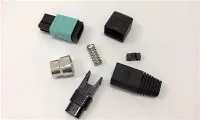
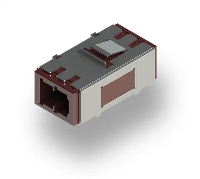
Yo, folks! I'm a supplier of Fiber Optic MU Connectors, and I've seen my fair share of issues with these little guys. So, I thought I'd share some of the common problems you might run into when dealing with Fiber Optic MU Connectors.
First off, let's talk about what a Fiber Optic MU Connector is. It's a type of fiber optic connector that's small and compact, making it great for high - density applications. You can check out more details about it on this page: Fiber Optic Mu Connector.
1. Physical Damage
One of the most common problems with Fiber Optic MU Connectors is physical damage. These connectors are pretty delicate, and they can get banged up easily. For example, if you're not careful when installing or removing them, you might accidentally bend or break the ferrule. The ferrule is the part of the connector that holds the fiber in place, and if it's damaged, it can cause a significant loss of signal.
Another way they can get damaged is through improper handling. If you're in a hurry and just yank on the cable connected to the MU connector, you could pull it out of alignment or even snap the fiber inside. And once the fiber is broken, that's a big problem because it's not easy to fix. You might have to replace the entire connector or even the cable.
2. Contamination
Contamination is another huge issue. Dust, dirt, oil from your fingers, and other particles can easily get on the end - face of the connector. When light travels through the fiber, these contaminants can block or scatter the light, which leads to signal loss.
You know, sometimes you're working in a less - than - clean environment, like a construction site or a dusty data center. And if you're not using proper cleaning tools and techniques, you're just asking for trouble. Even a tiny speck of dust can cause problems. To prevent this, it's important to always use dust caps when the connectors are not in use. And when you do need to clean them, use the right cleaning products, like lint - free wipes and fiber optic cleaning solutions.
3. Alignment Issues
Proper alignment is crucial for Fiber Optic MU Connectors. If the two connectors that are being mated together are not perfectly aligned, the light won't transfer efficiently from one fiber to the other. This can result in high insertion loss, which means less of the signal is getting through.
There are a few reasons why alignment issues can occur. Sometimes, the connector housing might be slightly warped, either from manufacturing defects or from being exposed to extreme temperatures. Also, if the connectors are not inserted correctly into the adapter, they won't line up properly. And let me tell you, getting that alignment just right can be a real pain in the neck, especially when you're dealing with a bunch of connectors at once.
4. Compatibility Problems
Compatibility is a headache that a lot of people face. Not all Fiber Optic MU Connectors are created equal. There are different types, like single - mode and multi - mode connectors, and they're not always interchangeable. If you try to connect a single - mode MU connector to a multi - mode one, you're going to have some serious signal problems.
Also, different manufacturers might have slightly different specifications for their MU connectors. So, if you mix and match connectors from different brands, you could run into issues with fit, alignment, and signal transfer. It's always a good idea to make sure that the connectors you're using are compatible with each other and with the rest of your fiber optic system.


5. Wear and Tear
Over time, Fiber Optic MU Connectors can experience wear and tear. Every time you insert and remove a connector, it puts a little bit of stress on the components. The springs inside the connector can lose their tension, and the mating surfaces can start to wear down.
This wear and tear can lead to loose connections, which in turn can cause intermittent signal loss. You might notice that your signal comes and goes, or that the quality of the connection is just not as good as it used to be. And if you keep using a worn - out connector, it could eventually fail completely.
6. Temperature and Environmental Factors
Temperature and other environmental factors can also affect the performance of Fiber Optic MU Connectors. Extreme temperatures can cause the materials in the connector to expand or contract. For example, in very hot conditions, the plastic parts of the connector might soften and deform, which can lead to alignment issues.
Humidity is another factor. High humidity can cause corrosion on the metal parts of the connector, and it can also promote the growth of mold and mildew, which can contaminate the end - face. And if you're using the connectors outdoors, they're exposed to all sorts of weather conditions, like rain, snow, and UV radiation. These can all take a toll on the connectors over time.
7. Installation Difficulties
Installing Fiber Optic MU Connectors can be a real challenge, especially for those who are new to working with fiber optics. The connectors are small, and getting them to mate properly with the adapter or another connector requires a lot of precision.
If you're not familiar with the installation process, you might make mistakes like not stripping the cable correctly or not crimping the connector onto the cable tightly enough. And if you don't follow the manufacturer's instructions, you're just setting yourself up for failure. It's important to take your time during installation and make sure everything is done right.
Solutions and How We Can Help
So, now that we've talked about all these problems, what can you do about them? Well, as a supplier of Fiber Optic MU Connectors, I can offer some solutions.
First of all, we provide high - quality connectors that are less likely to have manufacturing defects. Our connectors are made with precision and are thoroughly tested to ensure proper alignment and low insertion loss.
We also offer a range of cleaning products. Our fiber optic cleaning kits come with everything you need to keep your connectors clean and free of contaminants. And we can provide training on how to properly clean and install the connectors to minimize the risk of damage.
In terms of compatibility, we can help you choose the right connectors for your specific application. Whether you need single - mode or multi - mode connectors, we can guide you through the selection process to make sure everything works together seamlessly.
If you're interested in our Fiber Optic MU Connectors or have any questions about the problems we've discussed, feel free to reach out. We're here to help you avoid these common issues and keep your fiber optic network running smoothly. And if you're also looking for other types of fiber optic connectors, check out our Fiber Optic Mpo Connector and Fiber Optic Fc Connecter pages.
So, don't let these problems hold you back. Contact us today to start a conversation about your fiber optic connector needs. We're ready to work with you to find the best solutions for your network.
References
- "Fiber Optic Connector Handbook" - A comprehensive guide on fiber optic connectors and their common issues.
- Industry whitepapers on fiber optic network maintenance and troubleshooting.