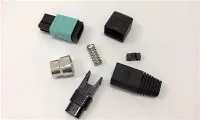
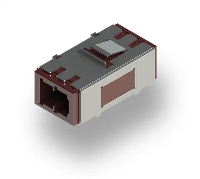
Hey there! As a supplier of Fiber Optic MU Connectors, I've been getting a lot of questions lately about whether these connectors are easy to handle. So, I thought I'd take a few minutes to share my thoughts and experiences on this topic.
First off, let's talk a bit about what a Fiber Optic MU Connector is. The MU connector is a small form - factor fiber optic connector. It's known for its compact size, which makes it a great choice for high - density applications. You'll often find these connectors in things like data centers, local area networks (LANs), and even in some telecommunications setups.
Now, let's get to the big question: Is it easy to handle? Well, in my opinion, it has both its easy and challenging aspects.
The Easy Bits
One of the easiest things about the Fiber Optic MU Connector is its installation process. Compared to some other types of fiber optic connectors, the MU connector has a relatively straightforward installation procedure. Most of the time, you don't need a whole bunch of specialized tools. A basic fiber stripping tool, a cleaver, and some connector polishing equipment are usually all you need.
For instance, if you're working on a simple LAN installation, you can quickly strip the fiber, cleave it to the right length, and then insert it into the MU connector. The design of the connector is quite intuitive, with clear markings and a well - thought - out structure that helps you get the fiber in place correctly.
Another plus is the compatibility. The MU connector is designed to be compatible with a wide range of fiber optic cables, including both single - mode and multi - mode fibers. This means that whether you're dealing with a high - speed data transfer situation (where single - mode fiber might be used) or a more general - purpose LAN setup (which often uses multi - mode fiber), the MU connector can fit right in.
And let's not forget about the durability. These connectors are built tough. They can withstand a certain amount of physical stress, like bending and pulling, without affecting the performance of the fiber optic connection too much. This makes them ideal for environments where the cables might get jostled around a bit, such as in a busy data center or a construction site.
The Not - So - Easy Bits
However, it's not all sunshine and rainbows. There are some aspects of handling the Fiber Optic MU Connector that can be a bit tricky.
One of the main challenges is the precision required. Because fiber optic connectors rely on the precise alignment of the fiber cores to transmit data effectively, any small misalignment can cause significant signal loss. With the MU connector, which is a small form - factor connector, achieving this precision can be a bit more difficult. You need to be extra careful when inserting the fiber into the connector and make sure it's perfectly centered.
Cleaning the MU connector is also a bit of a hassle. The small size of the connector means that the end - face, where the light passes through, is also very small. Dust, dirt, or even a tiny scratch on the end - face can have a big impact on the connector's performance. Cleaning it requires special cleaning tools, like lint - free wipes and cleaning solutions specifically designed for fiber optic connectors. And you have to be really gentle when cleaning to avoid damaging the end - face.
Cost can also be a factor. While the MU connector itself might not be extremely expensive, the cost of the tools and equipment needed for proper installation and maintenance can add up. If you're a small - scale installer or a DIY enthusiast, these costs might be a bit prohibitive.
Real - World Applications and Experiences
In real - world applications, the ease of handling the Fiber Optic MU Connector can vary depending on the situation. For example, in a large - scale data center upgrade project, professional installers who are used to working with fiber optic connectors might find the MU connector relatively easy to handle. They have the experience and the right tools to deal with the precision requirements and the cleaning process.
On the other hand, for a small business owner who's trying to set up a simple LAN in their office, the MU connector might seem a bit more challenging. Without the proper training and tools, it can be difficult to get a good connection.
I've also heard from some customers that they've had issues with the availability of replacement parts. Since the MU connector is a specialized component, finding replacement parts quickly can sometimes be a problem, especially if you're in a remote area.


Comparing with Other Connectors
When comparing the Fiber Optic MU Connector with other types of connectors, it's important to look at the big picture. For example, the SC connector is another popular choice in the fiber optic world. The Fiber Optic Fast Connector Ftth Pre - embedded Sc is known for its ease of use and widespread availability. It's larger in size compared to the MU connector, which can make it a bit easier to handle, especially for those who are new to fiber optic installation.
The Conector Ftth Fiber Optic Sc Fast Connector also has a similar advantage. Its larger form factor means that the installation process can be a bit more forgiving in terms of precision. However, the MU connector's small size gives it an edge in high - density applications where space is at a premium.
Then there's the Upc Fast Optical Sm Fiber Connector Sx Core Sc/upc. This connector is designed for specific types of fiber optic cables and applications. While it might offer excellent performance in its niche, the MU connector's versatility in terms of fiber compatibility makes it a more well - rounded choice for a variety of projects.
Conclusion
So, is the Fiber Optic MU Connector easy to handle? Well, it depends. If you have the right tools, the proper training, and a bit of experience, then it can be a relatively easy connector to work with. Its straightforward installation process, compatibility, and durability are definite pluses. However, the precision requirements, cleaning challenges, and cost of tools can make it a bit of a challenge for beginners or those on a tight budget.
If you're thinking about using Fiber Optic MU Connectors for your project, I'd be more than happy to help. Whether you have questions about installation, need advice on which type of connector is best for your specific situation, or are interested in purchasing our high - quality connectors, feel free to reach out. We can have a detailed discussion and figure out the best solution for you.
References
- "Fiber Optic Connector Handbook" by some well - known author in the fiber optic field.
- Industry reports on fiber optic connector trends and usage statistics.