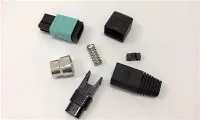
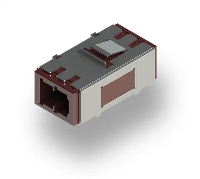
Terminating a fiber cable with a Fiber Optic SC Connector is a crucial skill in the field of fiber optic communication. As a supplier of Fiber Optic SC Connectors, I have witnessed firsthand the importance of proper termination techniques in ensuring reliable and efficient network performance. In this blog post, I will share a step-by-step guide on how to terminate a fiber cable with a Fiber Optic SC Connector, along with some tips and best practices.


Understanding the Basics of Fiber Optic SC Connectors
Before we dive into the termination process, let's take a moment to understand what a Fiber Optic SC Connector is. The SC (Subscriber Connector) is a popular type of fiber optic connector known for its push-pull design, which allows for easy and quick connection and disconnection. It has a square-shaped body and a 2.5mm ferrule, which holds the fiber in place and aligns it with the mating connector.
Fiber Optic SC Connectors are widely used in various applications, including local area networks (LANs), data centers, telecommunications, and cable television. They offer low insertion loss, high return loss, and excellent repeatability, making them suitable for both single-mode and multi-mode fiber optic cables.
Tools and Materials Needed
To terminate a fiber cable with a Fiber Optic SC Connector, you will need the following tools and materials:
- Fiber Optic SC Connector: Make sure to choose a high-quality connector that is compatible with your fiber type (single-mode or multi-mode). You can find a wide range of Fiber Optic Sc Connector options on our website.
- Fiber Optic Cable: Select the appropriate type and length of fiber optic cable for your application.
- Fiber Strippers: These tools are used to remove the outer jacket, buffer coating, and cladding of the fiber cable.
- Fiber Cleaver: A cleaver is used to make a clean, perpendicular cut at the end of the fiber, which is essential for achieving low insertion loss.
- Epoxy or Adhesive: Some SC connectors require epoxy or adhesive to secure the fiber in the ferrule. Make sure to follow the manufacturer's instructions when using these materials.
- Curing Oven or Heat Gun: If you are using epoxy, you will need a curing oven or heat gun to harden the epoxy.
- Polishing Film and Fixture: Polishing is an important step in the termination process to ensure a smooth and flat surface on the fiber end face. You will need polishing film and a fixture to perform the polishing.
- Inspection Microscope: An inspection microscope is used to inspect the fiber end face for any defects or contaminants after termination.
- Cleaning Supplies: You will need lint-free wipes, isopropyl alcohol, and other cleaning supplies to clean the fiber and connector during the termination process.
Step-by-Step Termination Process
Now that you have all the necessary tools and materials, let's walk through the step-by-step process of terminating a fiber cable with a Fiber Optic SC Connector:
Step 1: Prepare the Fiber Cable
- Strip the Cable: Use a fiber stripper to remove the outer jacket, buffer coating, and cladding of the fiber cable. Be careful not to damage the fiber during this process.
- Clean the Fiber: Use a lint-free wipe soaked in isopropyl alcohol to clean the exposed fiber. This will remove any dirt, oil, or debris from the fiber surface.
Step 2: Prepare the Connector
- Inspect the Connector: Before using the connector, inspect it for any damage or defects. Make sure the ferrule is clean and free of any debris.
- Prepare the Epoxy (if required): If your connector requires epoxy, follow the manufacturer's instructions to mix the epoxy. Be careful not to over-mix or under-mix the epoxy.
- Apply the Epoxy (if required): Using a syringe or other applicator, apply a small amount of epoxy to the inside of the connector ferrule. Make sure the epoxy is evenly distributed.
Step 3: Insert the Fiber into the Connector
- Align the Fiber: Carefully insert the stripped and cleaned fiber into the connector ferrule. Make sure the fiber is centered and fully inserted into the ferrule.
- Secure the Fiber: If your connector requires epoxy, use a curing oven or heat gun to harden the epoxy. Follow the manufacturer's instructions for the curing time and temperature.
Step 4: Polish the Fiber End Face
- Mount the Connector in the Polishing Fixture: Place the connector in the polishing fixture and secure it in place.
- Polish the Fiber: Use a polishing film and a polishing machine to polish the fiber end face. Start with a coarse polishing film and gradually move to a finer film to achieve a smooth and flat surface.
- Inspect the Polished End Face: After polishing, use an inspection microscope to inspect the fiber end face for any defects or contaminants. If you notice any problems, repeat the polishing process.
Step 5: Clean and Test the Connector
- Clean the Connector: Use a lint-free wipe soaked in isopropyl alcohol to clean the connector end face. This will remove any polishing residue or debris.
- Test the Connector: Use a fiber optic tester to test the connector for insertion loss and return loss. Make sure the test results meet the specifications for your application.
Tips and Best Practices
Here are some tips and best practices to keep in mind when terminating a fiber cable with a Fiber Optic SC Connector:
- Work in a Clean Environment: Fiber optic connectors are very sensitive to dirt and debris, so it's important to work in a clean environment. Use a cleanroom or a dust-free workspace to minimize the risk of contamination.
- Follow the Manufacturer's Instructions: Always follow the manufacturer's instructions when using tools, materials, and connectors. This will ensure that you are using the correct techniques and procedures for termination.
- Inspect the Fiber and Connector Regularly: Regularly inspect the fiber and connector for any damage or defects. This will help you identify and address any problems before they cause network issues.
- Use High-Quality Tools and Materials: Using high-quality tools and materials is essential for achieving reliable and efficient termination. Invest in good-quality fiber strippers, cleavers, polishing films, and connectors to ensure the best results.
- Practice Makes Perfect: Terminating fiber optic cables takes practice, so don't be afraid to practice on scrap cables before working on your actual project. This will help you improve your skills and confidence.
Conclusion
Terminating a fiber cable with a Fiber Optic SC Connector is a complex but rewarding process. By following the steps outlined in this blog post and using the tips and best practices, you can achieve reliable and efficient termination results. As a supplier of Fiber Optic Sc Connector, we are committed to providing high-quality products and support to help you with your fiber optic termination needs.
If you have any questions or need further assistance with fiber optic termination, please feel free to contact us. We would be happy to help you with your procurement and technical inquiries. Our team of experts is available to provide you with the information and support you need to make the right decisions for your project.
References
- "Fiber Optic Connector Installation and Testing Guide," by Corning Incorporated.
- "Fiber Optic Technology Handbook," by Richard A. Deal.
- "Fiber Optic Communication Systems," by Govind P. Agrawal.