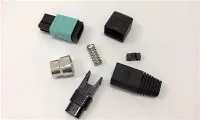
Fiber optic connectors are crucial components in the field of telecommunications and data transmission, enabling seamless and high - speed connections. As a dedicated fiber optic connector supplier, we understand the significance of proper storage methods to maintain the integrity and performance of these connectors. In this blog post, we will delve into the best practices for storing fiber optic connectors, ensuring that they remain in optimal condition for your projects.
Understanding the Sensitivity of Fiber Optic Connectors
Fiber optic connectors are highly sensitive components. The fiber cores within the connectors are extremely thin, often on the order of microns. Even the slightest amount of dust, dirt, or physical damage can significantly degrade the performance of the connector, leading to signal loss, increased attenuation, and potential network failures.
The end - faces of fiber optic connectors are also very delicate. Any scratches, chips, or contamination on the end - faces can disrupt the transmission of light signals, causing reflections and dispersion. Therefore, it is essential to handle and store these connectors with extreme care.
Optimal Storage Conditions
Temperature
One of the most critical factors in storing fiber optic connectors is temperature. Extreme temperatures can cause the materials within the connectors to expand or contract, which may lead to mechanical stress and potential damage. The ideal temperature range for storing fiber optic connectors is between 10°C and 35°C (50°F and 95°F).
In environments where the temperature fluctuates widely, it is advisable to use temperature - controlled storage facilities such as climate - controlled cabinets or rooms. This ensures that the connectors are not exposed to sudden temperature changes that could compromise their performance.
Humidity
Humidity is another important consideration. High humidity levels can cause condensation on the connectors, which can lead to corrosion of the metal parts and mold growth on the surfaces. It is recommended to maintain the relative humidity in the storage environment between 30% and 70%.
To control humidity, you can use dehumidifiers in areas with high moisture levels. Additionally, storing connectors in sealed containers with moisture - absorbing packets can help protect them from excessive humidity.
Cleanliness
The storage area should be kept clean to prevent dust and debris from settling on the connectors. A cleanroom - like environment is ideal, but in most cases, a well - ventilated and dust - free storage closet or cabinet can suffice.
Regularly clean the storage shelves and containers to remove any accumulated dust. Use a soft, lint - free cloth and a mild cleaning solution to wipe down the surfaces. Avoid using abrasive materials that could scratch the connectors.
Proper Packaging for Storage
Connector Caps
Connector caps are an essential part of protecting fiber optic connectors during storage. They shield the end - faces of the connectors from dust, dirt, and physical damage. Always ensure that the connector caps are properly installed on the connectors before storing them.
There are different types of connector caps available, such as plastic caps and rubber caps. Plastic caps are more rigid and provide good protection against physical impacts, while rubber caps offer a better seal against dust and moisture.
Storage Trays and Boxes
Using dedicated storage trays and boxes can help organize and protect the connectors. These trays are designed to hold the connectors securely in place, preventing them from moving around and potentially getting damaged.
Some storage boxes come with foam inserts that have cut - outs specifically designed for different types of fiber optic connectors. This ensures that each connector fits snugly in its designated space, reducing the risk of damage.
Organizing and Labeling
Categorization
For efficient storage and retrieval, it is important to categorize the fiber optic connectors. You can categorize them based on their type (e.g., SC, FC, LC connectors), usage (e.g., single - mode, multi - mode), or application (e.g., telecommunications, data centers).
This categorization makes it easier to find the connectors you need when you are working on a project. It also helps in keeping track of the inventory and ensuring that the connectors are used in the appropriate applications.
Labeling
Labeling is an equally important aspect of storage. Clearly label each storage tray, box, or container with information such as the type of connectors, quantity, and date of storage. You can also label individual connectors to provide more detailed information, such as the fiber length and the end - face polish type.
This labeling system saves time and reduces the risk of using the wrong connectors in a project. It also helps in identifying any connectors that may have been in storage for an extended period and may need to be inspected before use.
Long - Term Storage Considerations
Periodic Inspection
If you are storing fiber optic connectors for an extended period, it is recommended to conduct periodic inspections. Inspect the connectors for any signs of damage, such as cracks in the housing, bent ferrules, or contaminated end - faces.
Use a fiber optic microscope to check the end - faces of the connectors for any scratches or debris. If any issues are found, take appropriate measures to clean or repair the connectors.
Updating Inventory
Keep an up - to - date inventory of the stored fiber optic connectors. Regularly update the inventory records to reflect any changes in the quantity, location, or condition of the connectors.
This inventory management system helps in preventing stockouts and ensures that you have the right connectors available when you need them. It also helps in planning for future purchases and replacements.
Our Product Range
As a fiber optic connector supplier, we offer a wide range of high - quality connectors to meet your needs. For example, our Fiber Optic Pigtail Fc Apc 12 Colors provides versatility and excellent performance. The twelve - color options allow for easy identification and organization in your network.
We also have the Ftth Sc Optical Fiber Connector, which is designed for Fiber - to - the - Home (FTTH) applications. It offers fast and reliable connections, making it ideal for residential and small - business networks.
In addition, our Conector Ftth Fiber Optic Sc Fast Connector is a great choice for quick and easy installations in FTTH projects.


Conclusion
Proper storage of fiber optic connectors is essential to ensure their long - term performance and reliability. By following the best practices outlined in this blog post, you can protect your investment in these critical components and avoid costly network failures.
If you are in the market for high - quality fiber optic connectors or have any questions about storage and usage, we encourage you to contact us for further discussion and potential procurement. Our team of experts is ready to assist you in finding the right solutions for your projects.
References
- “Fiber Optic Connector Handbook,” XYZ Publications.
- “Best Practices for Fiber Optic Storage,” ABC Research Group.