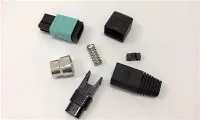
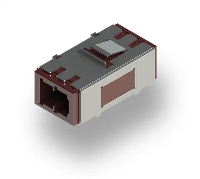
Hey there! As a supplier of Fiber Optic ST Couplers, I've seen firsthand how chemical corrosion can mess up these crucial components. Fiber Optic ST Couplers are widely used in various optical communication systems. They help connect fiber optic cables, ensuring smooth data transmission. But when they're exposed to chemicals, it can lead to signal loss, reduced performance, and even complete failure. So, let's talk about how we can protect these little guys from chemical corrosion.
Understanding the Threat of Chemical Corrosion
First off, we need to know what we're up against. Chemical corrosion in fiber optic couplers usually happens when they come into contact with corrosive substances like acids, alkalis, and some solvents. These chemicals can eat away at the materials used in the couplers, such as the metal parts and the protective coatings.
The metal components in Fiber Optic ST Couplers, like the ferrules and the outer shells, are particularly vulnerable. When exposed to corrosive chemicals, the metal can oxidize, which forms a layer of rust or other corrosion products. This layer can interfere with the proper alignment of the fiber optic cables, leading to increased insertion loss and reduced signal quality.
The protective coatings on the couplers are also at risk. These coatings are designed to provide a barrier between the internal components and the external environment. But if they're damaged by chemicals, they won't be able to do their job effectively, leaving the couplers exposed to further corrosion.
Choosing the Right Materials
One of the most effective ways to protect Fiber Optic ST Couplers from chemical corrosion is to choose the right materials during the manufacturing process. For the metal parts, we can use corrosion-resistant metals like stainless steel or aluminum alloy. These metals have a natural resistance to oxidation and can withstand exposure to many common chemicals.
When it comes to the protective coatings, we need to select ones that are specifically designed to resist chemical attack. There are various types of coatings available, such as epoxy coatings and polyurethane coatings. These coatings can provide a durable and chemical-resistant barrier, protecting the internal components of the couplers.
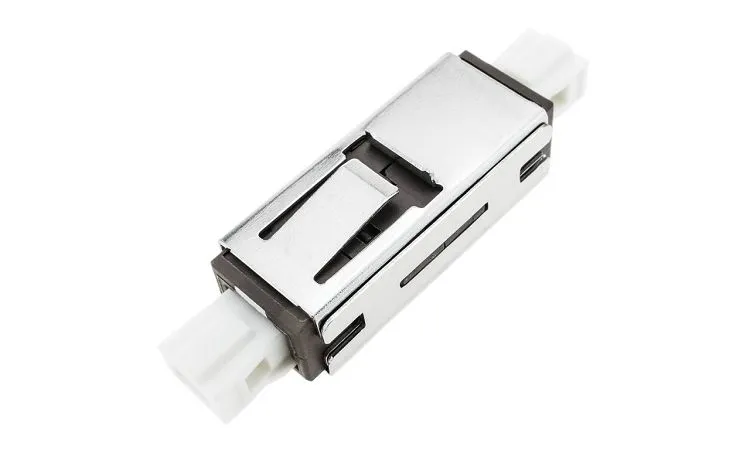

For example, some of the Fiber Optic ST Couplers we supply are made with high-quality stainless steel ferrules. Stainless steel is known for its excellent corrosion resistance, making it a great choice for applications where the couplers may be exposed to harsh chemicals. Additionally, we use a special epoxy coating on the outer shells of the couplers. This coating not only provides protection against chemical corrosion but also enhances the mechanical strength of the couplers.
Proper Installation and Maintenance
Proper installation and maintenance are also crucial for protecting Fiber Optic ST Couplers from chemical corrosion. During installation, we need to make sure that the couplers are installed in a clean and dry environment. Any dirt, dust, or moisture on the couplers can attract chemicals and increase the risk of corrosion.
We should also avoid using any lubricants or cleaning agents that contain corrosive chemicals. Instead, we can use specialized fiber optic cleaning solutions that are designed to be gentle on the couplers. These solutions can effectively remove dirt and debris without causing any damage to the couplers.
Regular maintenance is also important. We should inspect the couplers periodically for any signs of corrosion or damage. If we notice any issues, we should replace the affected couplers immediately to prevent further problems.
For instance, when installing our Fiber Optic ST Couplers, we always recommend using clean gloves to avoid transferring any oils or contaminants from our hands to the couplers. We also provide detailed installation instructions to ensure that the couplers are installed correctly. And during maintenance, we suggest using a fiber optic inspection microscope to check the condition of the ferrules and the coatings.
Environmental Protection
Another important aspect of protecting Fiber Optic ST Couplers from chemical corrosion is to control the environment in which they operate. We can use enclosures or cabinets to protect the couplers from exposure to chemicals in the air or on the ground. These enclosures should be made of materials that are resistant to chemical corrosion, such as plastic or fiberglass.
We should also ensure that the ventilation in the area where the couplers are installed is adequate. Good ventilation can help remove any corrosive gases or vapors from the air, reducing the risk of corrosion.
In addition, we can use desiccants or moisture absorbers in the enclosures to keep the humidity levels low. High humidity can accelerate the corrosion process, so keeping the environment dry is essential.
For example, we offer a range of fiber optic enclosures that are specifically designed to protect our Fiber Optic ST Couplers from environmental factors. These enclosures are made of high-quality plastic and have a tight seal to prevent any chemicals or moisture from entering. We also provide desiccants with the enclosures to help maintain a dry environment.
Complementary Products
In our product range, we also offer some complementary products that can enhance the protection of Fiber Optic ST Couplers from chemical corrosion. For example, the Fiber Optic Mu Adapter is a great option for applications where you need to connect multiple fiber optic cables. It has a similar design to the ST Coupler and can be used in conjunction with it. The Mu Adapter is also made with corrosion-resistant materials and has a protective coating to prevent chemical corrosion.
The Fiber Optic Fc Adaptor is another useful product. It's commonly used in high-performance fiber optic systems and can provide a reliable connection. Like the ST Coupler, the Fc Adaptor is designed to withstand harsh environments and is protected against chemical corrosion.
And if you're working on a large-scale fiber optic project, the Fiber Optic Mpo Adapter might be just what you need. It allows for the simultaneous connection of multiple fiber optic cables, making it ideal for data centers and other high-density applications. The Mpo Adapter is also built to resist chemical corrosion, ensuring long-term performance.
Conclusion
Protecting Fiber Optic ST Couplers from chemical corrosion is essential for ensuring the reliable operation of fiber optic communication systems. By choosing the right materials, proper installation and maintenance, environmental protection, and using complementary products, we can significantly reduce the risk of corrosion and extend the lifespan of the couplers.
If you're in the market for high-quality Fiber Optic ST Couplers or any of our other fiber optic products, I'd love to talk to you. We have a wide range of products to meet your specific needs, and our team of experts can provide you with the best advice and support. So, don't hesitate to reach out for a procurement discussion.
References
- "Fiber Optic Communication Technology" by John Senior
- "Handbook of Fiber Optic Data Communication" by Richard A. Deal