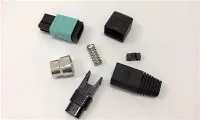
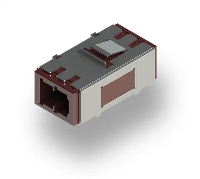
Hey there, fellow network enthusiasts! As a supplier of Fiber Optic MTRJ Adapters, I've seen firsthand how crucial these little components are for a smooth - running network. In this blog, I'm gonna share some tips on how to optimize the performance of a Fiber Optic MTRJ Adapter in a network.
Understanding the Basics of Fiber Optic MTRJ Adapters
First things first, let's quickly go over what a Fiber Optic MTRJ Adapter is. MTRJ stands for Mechanical Transfer Registered Jack. It's a type of fiber optic connector that's designed to be small and easy to use. These adapters are commonly used in local area networks (LANs) because they can handle both single - mode and multi - mode fibers.
The MTRJ adapter has a push - pull design, which makes it super convenient for quick connections and disconnections. It also has a built - in alignment sleeve that helps ensure accurate alignment of the fiber cores, which is essential for efficient signal transmission.
Selecting the Right Fiber Optic MTRJ Adapter
One of the first steps in optimizing performance is choosing the right adapter for your network. You need to consider factors like the type of fiber (single - mode or multi - mode), the bandwidth requirements, and the environmental conditions.
If you're working with a high - speed network that requires long - distance transmission, a single - mode MTRJ adapter might be the way to go. Single - mode fibers can carry signals over much longer distances compared to multi - mode fibers. On the other hand, if your network is more localized and doesn't need to cover large distances, a multi - mode MTRJ adapter should do the trick.
Also, pay attention to the quality of the adapter. Look for adapters that are made from high - quality materials and have been tested to meet industry standards. A good quality adapter will have better durability and performance, which means fewer issues down the line.
Proper Installation
Once you've selected the right adapter, proper installation is key. Make sure you clean the fiber ends before inserting them into the adapter. Even the tiniest bit of dust or debris can cause signal loss or interference. You can use a fiber optic cleaning kit to gently clean the fiber ends.
When inserting the fibers into the adapter, be careful not to force them. The MTRJ adapter has a push - pull mechanism, so just insert the connectors until you feel a slight click. This indicates that the connectors are properly seated.
It's also important to secure the adapter properly. If the adapter is loose, it can cause the fibers to move around, which can lead to signal degradation. Use the appropriate mounting hardware to keep the adapter in place.


Maintaining a Clean Environment
The environment where the Fiber Optic MTRJ Adapter is installed can have a big impact on its performance. Dust, moisture, and other contaminants can all cause problems. That's why it's important to keep the area around the adapter clean and dry.
If possible, install the adapter in a climate - controlled environment. This will help prevent moisture from building up and causing corrosion. You can also use dust covers on the adapters when they're not in use to keep out dust and debris.
Regularly inspect the adapter for any signs of damage or contamination. If you notice any issues, clean or replace the adapter as soon as possible.
Compatibility with Other Components
Fiber Optic MTRJ Adapters need to be compatible with other components in the network, such as switches, routers, and other fiber optic connectors. Make sure that all the components are designed to work together.
For example, if you're using a Fiber Optic St Coupler in your network, ensure that it's compatible with the MTRJ adapter. Incompatible components can lead to signal loss, increased latency, and other performance issues.
Testing and Monitoring
After installation, it's important to test the performance of the Fiber Optic MTRJ Adapter. You can use a fiber optic tester to measure parameters like insertion loss, return loss, and bandwidth. These measurements will give you an idea of how well the adapter is performing.
Regularly monitor the performance of the adapter over time. If you notice any changes in the performance metrics, it could be a sign of a problem. For example, an increase in insertion loss could indicate that there's a problem with the alignment of the fibers or that the adapter is damaged.
Upgrading and Replacing
As technology advances, you may need to upgrade your Fiber Optic MTRJ Adapters to keep up with the demands of your network. Newer adapters may offer better performance, higher bandwidth, and improved reliability.
If you notice that an adapter is consistently causing problems or if it's reaching the end of its lifespan, it's time to replace it. Don't wait until a major issue occurs before taking action.
Using High - Quality Accessories
Using high - quality accessories can also help optimize the performance of a Fiber Optic MTRJ Adapter. For example, high - quality fiber optic cables can reduce signal loss and improve overall performance.
You can also consider using Fiber Optic E2000 Adapter or Fiber Optic Fc Adaptor in combination with your MTRJ adapter if they are compatible with your network setup. These adapters may offer additional features or better performance in certain situations.
Conclusion
Optimizing the performance of a Fiber Optic MTRJ Adapter in a network requires a combination of careful selection, proper installation, regular maintenance, and compatibility with other components. By following these tips, you can ensure that your network runs smoothly and efficiently.
If you're looking to purchase high - quality Fiber Optic MTRJ Adapters or have any questions about optimizing their performance, feel free to reach out to us. We're here to help you get the most out of your fiber optic network.
References
- "Fiber Optic Communication Systems" by Govind P. Agrawal
- "Optical Fiber Technology: Principles and Applications" by John M. Senior