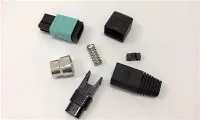
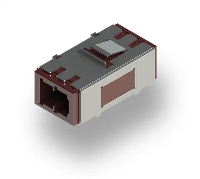
Designing a fiber optic ST coupler for submarine cable systems is a complex yet rewarding task that demands a comprehensive understanding of both fiber optic technology and the unique challenges posed by the underwater environment. As a trusted supplier of fiber optic ST couplers, I am excited to share insights into the design process, highlighting key considerations and best practices to ensure optimal performance and reliability.
Understanding the Requirements of Submarine Cable Systems
Submarine cable systems operate in a harsh and demanding environment, subject to extreme pressures, temperature variations, and corrosive elements. These conditions necessitate the use of robust and durable components that can withstand the test of time and maintain high levels of performance. When designing a fiber optic ST coupler for submarine applications, it is essential to consider the following requirements:
- Mechanical Strength: Submarine cables are often subjected to significant mechanical stress during installation and operation. The ST coupler must be designed to withstand these forces without compromising its optical performance. This may involve using high-quality materials and advanced manufacturing techniques to ensure the coupler's structural integrity.
- Environmental Resistance: The underwater environment is highly corrosive, with saltwater, chemicals, and marine organisms posing a constant threat to the integrity of the fiber optic components. The ST coupler must be resistant to corrosion, moisture, and other environmental factors to prevent degradation and ensure long-term reliability. This may require the use of specialized coatings or materials that provide a protective barrier against these elements.
- Optical Performance: The primary function of a fiber optic ST coupler is to transmit optical signals with minimal loss and distortion. In submarine cable systems, where long-distance transmission is often required, maintaining high levels of optical performance is crucial. The coupler must be designed to minimize insertion loss, return loss, and other optical impairments to ensure clear and reliable communication.
- Ease of Installation and Maintenance: Submarine cable systems are typically installed and maintained in remote and challenging locations. The ST coupler should be designed to be easy to install and maintain, with features such as simple alignment mechanisms and modular construction. This can reduce installation time and costs, as well as minimize the need for specialized tools and expertise.
Design Considerations for Fiber Optic ST Couplers
Once the requirements of the submarine cable system have been identified, the next step is to consider the specific design features of the fiber optic ST coupler. The following are some key design considerations that should be taken into account:


- Connector Type: The ST connector is a popular choice for fiber optic applications due to its simplicity, reliability, and ease of use. However, when designing a coupler for submarine cable systems, it is important to choose a connector type that is specifically designed for underwater use. This may involve using connectors with enhanced mechanical strength, environmental resistance, and optical performance.
- Fiber Type: The type of fiber used in the ST coupler can have a significant impact on its optical performance. In submarine cable systems, single-mode fiber is often preferred due to its low attenuation and high bandwidth capabilities. However, multimode fiber may also be used in certain applications, depending on the specific requirements of the system.
- Coupling Mechanism: The coupling mechanism of the ST coupler is responsible for aligning the fibers and ensuring efficient optical coupling. There are several different coupling mechanisms available, each with its own advantages and disadvantages. When designing a coupler for submarine cable systems, it is important to choose a coupling mechanism that is reliable, easy to use, and provides consistent optical performance.
- Housing Design: The housing of the ST coupler provides protection for the internal components and helps to ensure their mechanical and environmental integrity. When designing a housing for submarine cable systems, it is important to choose a material that is strong, lightweight, and resistant to corrosion. The housing should also be designed to provide easy access to the internal components for installation and maintenance purposes.
Material Selection for Fiber Optic ST Couplers
The choice of materials used in the design of a fiber optic ST coupler is critical to its performance and reliability. The following are some key factors to consider when selecting materials for the coupler:
- Mechanical Properties: The materials used in the coupler should have high mechanical strength and stiffness to withstand the forces exerted during installation and operation. This may involve using materials such as stainless steel, aluminum, or composite materials that provide excellent mechanical properties.
- Environmental Resistance: The materials used in the coupler should be resistant to corrosion, moisture, and other environmental factors to prevent degradation and ensure long-term reliability. This may require the use of materials such as polymers, ceramics, or coatings that provide a protective barrier against these elements.
- Optical Properties: The materials used in the coupler should have low optical loss and high transparency to ensure efficient transmission of optical signals. This may involve using materials such as glass, plastic, or other optical materials that have excellent optical properties.
- Cost: The cost of the materials used in the coupler is an important consideration, especially in large-scale submarine cable projects. It is important to choose materials that provide a good balance between performance and cost, without compromising on quality or reliability.
Manufacturing Process for Fiber Optic ST Couplers
The manufacturing process for fiber optic ST couplers involves several steps, each of which is critical to the final performance and quality of the product. The following are some key steps in the manufacturing process:
- Component Fabrication: The first step in the manufacturing process is to fabricate the individual components of the ST coupler, such as the connector body, ferrule, and coupling mechanism. This may involve using precision machining, molding, or other manufacturing techniques to ensure the components are produced to the required specifications.
- Assembly: Once the individual components have been fabricated, they are assembled into the final ST coupler. This may involve using specialized tools and equipment to ensure the components are properly aligned and secured.
- Testing and Quality Control: After the ST coupler has been assembled, it is tested to ensure its optical performance meets the required specifications. This may involve using optical testing equipment to measure insertion loss, return loss, and other optical parameters. Any couplers that do not meet the required standards are rejected and either reworked or discarded.
- Packaging and Shipping: Once the ST coupler has passed the testing and quality control process, it is packaged and shipped to the customer. The packaging should be designed to protect the coupler during transit and ensure its safe arrival at the destination.
Conclusion
Designing a fiber optic ST coupler for submarine cable systems is a complex and challenging task that requires a deep understanding of fiber optic technology and the unique requirements of the underwater environment. By considering the key design considerations, material selection, and manufacturing process outlined in this blog post, you can ensure that your ST coupler meets the highest standards of performance and reliability.
As a leading supplier of fiber optic ST couplers, we are committed to providing our customers with the highest quality products and services. Our couplers are designed and manufactured to meet the specific requirements of submarine cable systems, using the latest technology and materials to ensure optimal performance and reliability. If you are interested in learning more about our fiber optic ST couplers or have any questions about the design process, please contact us to discuss your needs.
References
- "Fiber Optic Communication Systems," by Govind P. Agrawal
- "Submarine Cable Systems for Global Telecommunications," by John L. Sullivan
- "Handbook of Fiber Optic Data Communication," by R. Bruce Williams