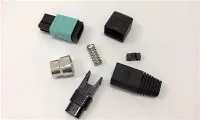
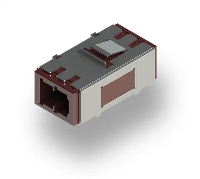
Hey there, folks! As a supplier of Fiber Optic MU Connectors, I've seen firsthand how crucial it is to pick the right connector for your fiber optic network. In this blog, I'm gonna share some tips on how to choose the right Fiber Optic MU Connector, so let's dive right in!
Understanding the Basics of Fiber Optic MU Connectors
First things first, let's talk a bit about what Fiber Optic MU Connectors are. These connectors are small, push-pull type connectors that are commonly used in high-density fiber optic applications. They offer low insertion loss and high return loss, making them ideal for a variety of network setups. You can learn more about them here: Fiber Optic Mu Connector.
Consider the Application
The first step in choosing the right Fiber Optic MU Connector is to consider the application. Are you using it for a data center, telecommunications network, or a home network? Different applications have different requirements. For example, data centers often require high-speed and high-density connections, so you'll need a connector that can handle that. On the other hand, a home network might not need such high performance, but reliability is still key.
Look at the Connector Type
There are different types of Fiber Optic MU Connectors available, such as single-mode and multi-mode. Single-mode connectors are designed for long-distance transmissions, usually over several kilometers. They have a smaller core size, which allows for a single mode of light to travel through the fiber. Multi-mode connectors, on the other hand, are used for shorter distances, typically up to a few hundred meters. They have a larger core size, which can support multiple modes of light. Make sure to choose the right type based on your transmission distance.
Check the Connector Quality
Quality is super important when it comes to fiber optic connectors. A low-quality connector can lead to high insertion loss, which means that a significant amount of light is lost during transmission. This can result in poor signal quality and reduced network performance. Look for connectors that are made from high-quality materials and have been tested to meet industry standards. You can also check for certifications, such as ISO or IEC, which indicate that the connector has been tested and meets certain quality criteria.
Consider the Ease of Installation
Another factor to consider is the ease of installation. Some connectors are designed to be easy to install, even for non-professionals. For example, there are Fiber Optic Fast Connector Ftth Pre-embedded Sc that can be installed quickly and easily. These connectors are pre-embedded with a fiber and can be terminated on-site without the need for special tools. If you're not an experienced installer, choosing an easy-to-install connector can save you time and money.
Compatibility
Compatibility is also crucial. Make sure that the Fiber Optic MU Connector you choose is compatible with your existing fiber optic cables and equipment. Check the specifications of the connector and compare them with the requirements of your network. Incompatible connectors can cause problems such as signal loss, reflections, and even damage to the equipment.
Cost
Of course, cost is always a factor. You don't want to overspend, but you also don't want to compromise on quality. Compare the prices of different connectors from different suppliers, but make sure to consider the overall value. A slightly more expensive connector might offer better performance and reliability in the long run, which can save you money on maintenance and replacement costs.
Supplier Reputation
Finally, consider the reputation of the supplier. As a supplier myself, I know how important it is to provide high-quality products and excellent customer service. Look for a supplier that has a good track record and positive reviews from other customers. A reliable supplier can offer technical support, warranty, and after-sales service, which can be very helpful if you run into any problems with the connectors.


Conclusion
Choosing the right Fiber Optic MU Connector is not as complicated as it might seem. By considering the application, connector type, quality, ease of installation, compatibility, cost, and supplier reputation, you can make an informed decision. Remember, a good connector is essential for a reliable and high-performing fiber optic network.
If you're interested in purchasing Fiber Optic MU Connectors or have any questions, feel free to reach out. We're here to help you find the right solution for your network. Whether you're a small business owner, a network engineer, or just someone looking to set up a home network, we've got you covered.
References
- Fiber Optic Association. (n.d.). Fiber Optic Connector Basics.
- Telecommunications Industry Association. (n.d.). Standards for Fiber Optic Connectors.