Hey there! As a supplier of Fiber Optic FC Pigtails, I've seen a lot of customers scratching their heads over which fiber type is the right fit for their needs. It's not always an easy decision, but don't worry – I'm here to break it down for you in a way that's easy to understand.
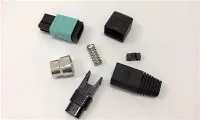
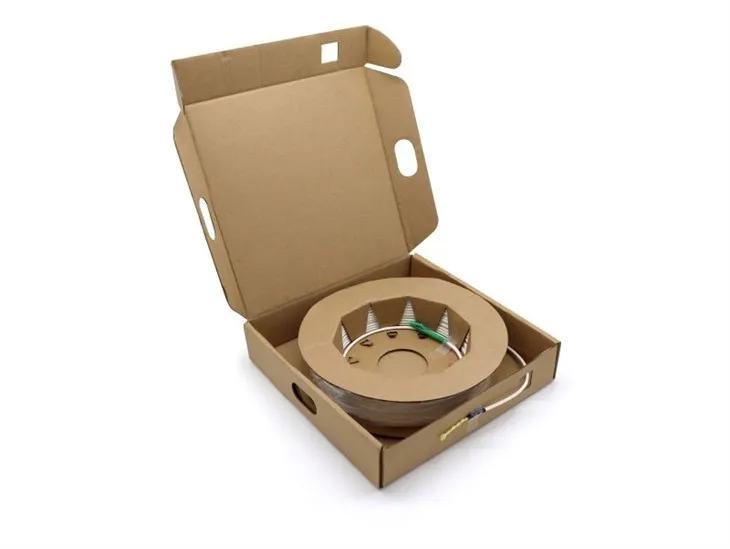
First off, let's talk about what a Fiber Optic FC Pigtail is. It's basically a short, single - fiber cable with an FC connector on one end and a bare fiber on the other. These pigtails are used in a variety of applications, from telecommunications to data centers.
Now, when it comes to choosing the appropriate fiber type for your Fiber Optic FC Pigtail, there are a few key factors you need to consider.
1. Application Requirements
The first thing you've got to think about is what you're going to use the pigtail for. Different applications have different demands in terms of bandwidth, distance, and data transmission speed.
Telecommunications
In the telecommunications industry, long - distance data transmission is often required. For this kind of application, single - mode fiber (SMF) is usually the way to go. SMF has a very small core (usually around 9 microns), which allows light to travel in a single mode. This results in very low signal loss over long distances, making it perfect for telecom networks that span miles or even hundreds of miles.
Data Centers
Data centers, on the other hand, typically deal with shorter distances but require high - speed data transfer. Multi - mode fiber (MMF) is more commonly used here. MMF has a larger core (usually 50 or 62.5 microns), which allows multiple modes of light to travel through it. This enables higher bandwidths for short - distance applications, making it ideal for connecting servers, switches, and storage devices within a data center.
2. Bandwidth and Speed
Bandwidth is the amount of data that can be transmitted over a fiber optic cable in a given amount of time, and speed refers to how fast that data can travel.
Single - Mode Fiber
As I mentioned earlier, single - mode fiber is great for long - distance, high - speed data transmission. It can support extremely high bandwidths, often in the range of several terabits per second. If you need to transmit large amounts of data over long distances, like in a wide - area network (WAN), single - mode fiber is your best bet.
Multi - Mode Fiber
Multi - mode fiber is more suited for shorter distances but can still offer high bandwidths. The latest versions of multi - mode fiber, such as OM4 and OM5, can support speeds of up to 100 Gbps or even higher over distances of a few hundred meters. If you're setting up a local - area network (LAN) in an office building or a data center, multi - mode fiber can provide the bandwidth and speed you need at a more affordable price.

3. Cost
Cost is always a consideration when choosing any product, and fiber optic cables are no exception.
Single - Mode Fiber
Single - mode fiber and its associated components tend to be more expensive than multi - mode fiber. This is because the manufacturing process for single - mode fiber is more complex, and the equipment needed to work with it is also more costly. However, if you need the long - distance capabilities and high bandwidths that single - mode fiber offers, the investment may be worth it in the long run.
Multi - Mode Fiber
Multi - mode fiber is generally more cost - effective, especially for short - distance applications. The lower cost of the fiber itself, as well as the associated connectors and equipment, makes it a popular choice for small to medium - sized businesses and data centers with limited budgets.
4. Compatibility
You also need to make sure that the fiber type you choose is compatible with your existing network infrastructure.
Existing Equipment
If you already have fiber optic equipment in place, check the specifications to see what type of fiber it's designed to work with. Using an incompatible fiber type can lead to signal loss, reduced performance, and even equipment damage.
Future Expansion
Think about your future expansion plans as well. If you anticipate growing your network in the future, you may want to choose a fiber type that can easily accommodate that growth. Single - mode fiber, for example, offers more room for future upgrades in terms of bandwidth and distance.
Comparing Different Fiber Types
Let's take a closer look at the two main types of fiber used in Fiber Optic FC Pigtails: single - mode and multi - mode.
Single - Mode Fiber
- Core Size: 9 microns
- Distance: Can transmit data over very long distances (up to tens or even hundreds of kilometers)
- Bandwidth: Extremely high, suitable for high - speed, long - haul data transmission
- Cost: Higher initial investment but cost - effective for long - term, large - scale projects
- Applications: Telecommunications, long - distance WANs
Multi - Mode Fiber
- Core Size: 50 or 62.5 microns
- Distance: Limited to shorter distances (usually up to a few hundred meters)
- Bandwidth: High, suitable for high - speed, short - haul data transmission
- Cost: More affordable, making it a good choice for small to medium - sized projects
- Applications: Data centers, LANs
Other Fiber Types
In addition to single - mode and multi - mode fiber, there are also some specialized fiber types that you might come across.
Bend - Insensitive Fiber
Bend - insensitive fiber is designed to minimize signal loss when the fiber is bent or curved. This is especially useful in applications where the fiber may be subject to tight bends, such as in building cabling or in equipment with limited space.
Polarization - Maintaining Fiber
Polarization - maintaining fiber is used in applications where the polarization of the light signal needs to be maintained, such as in fiber optic sensors and some types of telecommunications systems.
Making the Right Choice
So, how do you make the right choice for your Fiber Optic FC Pigtail? Here's a step - by - step guide:
- Identify Your Application: Determine whether you need long - distance transmission or short - distance, high - speed data transfer.
- Evaluate Your Bandwidth and Speed Requirements: Consider how much data you need to transmit and at what speed.
- Set Your Budget: Decide how much you're willing to spend on the fiber optic cable and associated components.
- Check Compatibility: Make sure the fiber type you choose is compatible with your existing network infrastructure.
- Consider Future Expansion: Think about your long - term plans for network growth and choose a fiber type that can accommodate them.
As a supplier of Fiber Optic Fc Pigtail, I can offer you a wide range of options to meet your specific needs. We also have Fiber Optic Sc Pigtail and Lc Simplex Fiber Patch Cord available if you're looking for other types of fiber optic products.
If you're still not sure which fiber type is right for you, don't hesitate to reach out. Our team of experts is here to help you make an informed decision. We can provide you with detailed product information, technical support, and even customized solutions to fit your requirements.
Whether you're a small business owner setting up a new network or a large enterprise looking to upgrade your existing infrastructure, we've got the products and expertise to meet your needs. So, why wait? Contact us today to discuss your fiber optic cable requirements and let's work together to find the perfect solution for you.
References
- "Fiber Optic Communications: Principles and Practice" by John M. Senior
- "Optical Fiber Telecommunications VI" edited by Ivan P. Kaminow and Tingye Li
- Industry standards and specifications from organizations such as the Telecommunications Industry Association (TIA) and the International Electrotechnical Commission (IEC)