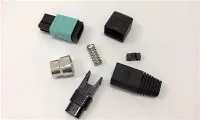
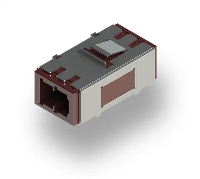
Temperature is a critical environmental factor that can significantly influence the performance of fiber optic components, including the Fiber Optic ST Coupler. As a trusted supplier of Fiber Optic ST Couplers, we understand the importance of comprehending how temperature variations impact these devices. In this blog, we will explore the relationship between temperature and the performance of Fiber Optic ST Couplers, shedding light on the underlying mechanisms and practical implications.
Understanding the Fiber Optic ST Coupler
Before delving into the effects of temperature, let's briefly review the basic structure and function of a Fiber Optic ST Coupler. The ST (Straight Tip) coupler is a widely used connector in fiber optic networks. It features a bayonet-style coupling mechanism, which provides a quick and secure connection between two fiber optic cables. The coupler consists of a housing, ferrule, and other components that work together to align and join the optical fibers, allowing for the efficient transmission of light signals.
Impact of Temperature on Fiber Optic ST Coupler Performance
1. Insertion Loss
Insertion loss is a key performance parameter that measures the amount of optical power lost when a signal passes through a fiber optic coupler. Temperature can have a significant impact on insertion loss. As the temperature changes, the physical dimensions of the coupler components, such as the ferrule and housing, can expand or contract. This thermal expansion or contraction can cause misalignment between the optical fibers, leading to increased insertion loss.
For example, in a high-temperature environment, the materials in the coupler may expand, causing the ferrules to shift slightly. This misalignment can result in a portion of the light signal being lost at the connection point, reducing the overall transmission efficiency. Conversely, in a low-temperature environment, the materials may contract, also potentially leading to misalignment and increased insertion loss.
2. Return Loss
Return loss, also known as reflection loss, measures the amount of optical power that is reflected back towards the source due to imperfections at the fiber connection. Temperature variations can affect return loss by altering the refractive index of the materials in the coupler and causing changes in the optical path.
When the temperature rises, the refractive index of the optical materials may change, leading to an increase in the amount of light reflected back. Additionally, thermal stress can cause micro-cracks or other defects in the coupler components, further increasing reflection and reducing return loss. On the other hand, in a cold environment, the contraction of the materials can also cause changes in the optical path and potentially increase return loss.
3. Mechanical Stability
Temperature can also impact the mechanical stability of the Fiber Optic ST Coupler. The repeated expansion and contraction of the coupler components due to temperature changes can lead to mechanical stress and fatigue. Over time, this can cause the coupler to loosen or develop internal damage, affecting its long-term performance and reliability.
For instance, in a harsh environment with large temperature fluctuations, the bayonet-style coupling mechanism of the ST coupler may experience wear and tear. The constant expansion and contraction can cause the locking mechanism to become loose, increasing the risk of accidental disconnection. Moreover, the mechanical stress can also lead to the degradation of the ferrule surface, which can further affect the alignment and performance of the coupler.
Mitigating the Effects of Temperature
As a supplier of Fiber Optic ST Couplers, we offer several solutions to mitigate the effects of temperature on coupler performance.
1. High-Quality Materials
We use high-quality materials in the manufacturing of our Fiber Optic ST Couplers. These materials are carefully selected for their low thermal expansion coefficients, which means they are less likely to expand or contract significantly with temperature changes. By using such materials, we can minimize the impact of temperature on insertion loss and return loss.
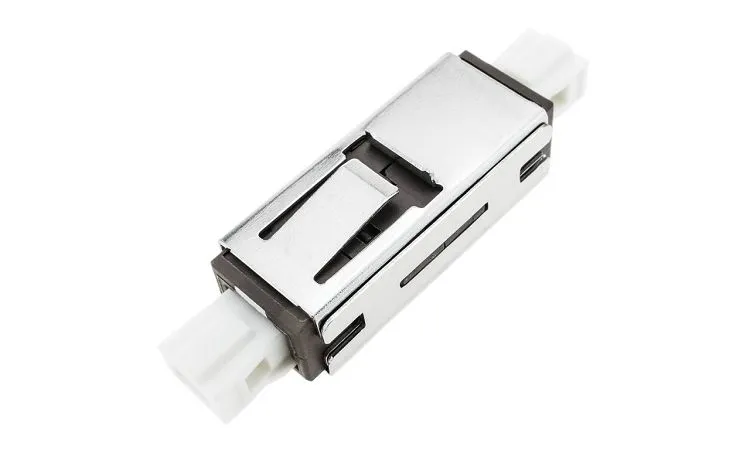

2. Precision Manufacturing
Our couplers are manufactured with high precision to ensure accurate alignment of the optical fibers. Advanced manufacturing techniques are employed to control the dimensions of the coupler components within tight tolerances. This precision manufacturing helps to reduce the likelihood of misalignment caused by temperature-induced expansion or contraction.
3. Temperature-Resistant Design
We also incorporate temperature-resistant design features into our Fiber Optic ST Couplers. For example, the coupler housing is designed to provide additional protection against thermal stress and mechanical damage. Some of our couplers are also equipped with special seals or gaskets to prevent moisture and dust from entering the connection, which can further improve the performance and reliability of the coupler in different temperature environments.
Related Fiber Optic Adapters
In addition to Fiber Optic ST Couplers, we also offer a wide range of fiber optic adapters, including the Fiber Optic MTRJ Adapter, Fiber Optic E2000 Adapter, and Fiber Optic MU Adapter. These adapters are designed to meet the diverse needs of fiber optic networks and are also subject to the effects of temperature. Our high-quality materials and advanced manufacturing processes ensure that these adapters can perform reliably in various temperature conditions.
Conclusion
Temperature is a crucial factor that can significantly affect the performance of Fiber Optic ST Couplers. By understanding the mechanisms through which temperature impacts insertion loss, return loss, and mechanical stability, we can take appropriate measures to mitigate these effects. As a professional supplier of Fiber Optic ST Couplers and related products, we are committed to providing high-quality solutions that can withstand the challenges of different temperature environments.
If you are interested in our Fiber Optic ST Couplers or other fiber optic products, we invite you to contact us for further information and to discuss your specific requirements. Our team of experts is ready to assist you in finding the best solutions for your fiber optic network.
References
- "Fiber Optic Communication Technology" by John M. Senior
- "Optical Fiber Telecommunications" edited by Ivan P. Kaminow and Thomas L. Koch