Temperature is a critical environmental factor that can significantly influence the performance and lifespan of fiber optic pigtails. As a dedicated fiber optic pigtail supplier, I've witnessed firsthand how temperature variations can pose challenges and opportunities in the fiber optic industry. In this blog, I'll delve into the science behind how temperature affects fiber optic pigtails, explore the implications for different types of pigtails, and offer insights on how to mitigate potential issues.
The Basics of Fiber Optic Pigtails
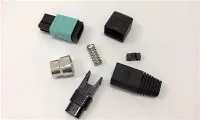
Before we dive into the effects of temperature, let's briefly review what fiber optic pigtails are. A fiber optic pigtail is a short length of fiber optic cable with a connector pre - installed at one end. These pigtails are commonly used to terminate fiber optic cables, allowing for easy connection to other fiber optic devices such as transceivers, patch panels, and optical switches.
There are various types of fiber optic pigtails available in the market, each with its own unique features and applications. For example, Fiber Optic LC Pigtails are known for their small form factor and high - density applications, while Fiber Optic ST Pigtails are often used in older network installations due to their reliable and simple design. LC Simplex Fiber Patch Cord is another popular option, especially for single - mode fiber applications.
How Temperature Affects Fiber Optic Pigtails
1. Optical Loss
One of the most significant effects of temperature on fiber optic pigtails is the change in optical loss. As the temperature changes, the physical properties of the fiber optic material can be altered. At low temperatures, the glass in the fiber can become more brittle, and the protective coating may shrink. This can lead to micro - bending in the fiber, which causes light to leak out of the core and results in increased optical loss.
Conversely, at high temperatures, the fiber and its coating may expand. The expansion can cause misalignments at the connector interfaces, which also leads to increased optical loss. In addition, high temperatures can accelerate the aging process of the fiber optic material, causing long - term degradation of the fiber's performance.
2. Refractive Index Changes
Temperature can also affect the refractive index of the fiber optic material. The refractive index is a crucial parameter that determines how light propagates through the fiber. When the temperature changes, the refractive index of the fiber core and cladding can change, which can cause changes in the light propagation characteristics.
For example, an increase in temperature can cause the refractive index of the fiber core to increase slightly. This can lead to a change in the modal distribution of the light in the fiber, potentially causing modal dispersion and reducing the bandwidth of the fiber optic link.
3. Mechanical Stress
Temperature variations can induce mechanical stress in fiber optic pigtails. As the fiber and its surrounding materials expand and contract at different rates, internal stress can build up. This stress can cause the fiber to break or the connector to become loose over time.


In extreme cases, mechanical stress can lead to fiber fractures, which result in a complete loss of the optical signal. Even minor stress can cause long - term degradation of the fiber's performance, reducing its reliability and lifespan.
Implications for Different Types of Fiber Optic Pigtails
1. Single - Mode vs. Multi - Mode Pigtails
Single - mode and multi - mode fiber optic pigtails can be affected differently by temperature. Single - mode fibers are more sensitive to temperature - induced refractive index changes because they rely on a single mode of light propagation. A small change in the refractive index can have a significant impact on the single - mode fiber's performance, such as increased dispersion and reduced bandwidth.
Multi - mode fibers, on the other hand, are more susceptible to micro - bending losses caused by temperature variations. Since multi - mode fibers support multiple modes of light propagation, micro - bending can cause more significant signal loss due to the increased number of light paths in the fiber.
2. Different Connector Types
The type of connector used in the fiber optic pigtail can also influence how it is affected by temperature. For example, LC connectors are more sensitive to temperature - induced misalignments due to their small form factor and high - precision design. Any expansion or contraction of the connector housing can cause significant misalignments at the fiber end - face, leading to increased optical loss.
ST connectors, on the other hand, are more robust in terms of mechanical stability. However, they are still susceptible to temperature - induced changes in the fiber itself, such as micro - bending and refractive index changes.
Mitigating the Effects of Temperature
1. Temperature - Controlled Environments
One of the most effective ways to mitigate the effects of temperature on fiber optic pigtails is to install them in temperature - controlled environments. Data centers, for example, often use air - conditioning systems to maintain a stable temperature and humidity level. This helps to reduce the temperature variations that can cause optical loss and mechanical stress in the fiber optic pigtails.
2. Temperature - Resistant Materials
Using temperature - resistant materials in the manufacturing of fiber optic pigtails can also help to reduce the impact of temperature. For example, some fiber optic cables use special coatings that are designed to withstand a wide range of temperatures. These coatings can protect the fiber from temperature - induced micro - bending and mechanical stress.
3. Regular Maintenance and Monitoring
Regular maintenance and monitoring of fiber optic pigtails are essential to ensure their long - term performance. This includes checking the optical loss of the pigtails periodically and inspecting the connectors for any signs of damage or misalignment. By detecting and addressing potential issues early, the reliability of the fiber optic network can be significantly improved.
Conclusion
As a fiber optic pigtail supplier, I understand the importance of providing high - quality products that can withstand the challenges posed by temperature variations. Temperature can have a profound impact on the performance and lifespan of fiber optic pigtails, affecting optical loss, refractive index, and mechanical stress.
By understanding these effects and taking appropriate measures to mitigate them, we can ensure that fiber optic pigtails provide reliable and high - performance connectivity in various applications. Whether you are building a data center, a telecommunications network, or an industrial automation system, choosing the right fiber optic pigtails and implementing proper temperature management strategies are crucial for the success of your project.
If you are interested in purchasing fiber optic pigtails or have any questions about how temperature may affect your specific application, I encourage you to contact us for a detailed consultation. Our team of experts is ready to help you select the best products and solutions to meet your needs.
References
- "Fiber Optic Communication Systems" by Govind P. Agrawal
- "Optical Fiber Technology: Materials, Fabrication, and Applications" by Alexander W. Snyder and John D. Love
- Industry whitepapers on fiber optic performance in different environmental conditions.