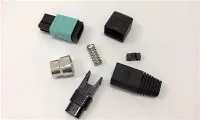
Hey there! As a supplier of Fiber Optic ST Pigtails, I often get asked about how to test their performance. In this blog, I'm gonna share with you the methods and steps I use to ensure these pigtails meet the high - quality standards.
Why Testing Fiber Optic ST Pigtails is Crucial
First off, let's talk about why we need to test these pigtails. Fiber Optic ST Pigtails are used in a wide range of applications, from telecommunications to data centers. Poor performance can lead to signal loss, slow data transfer, and even system failures. So, proper testing is essential to guarantee that they work as expected and can be relied on in different environments.
Visual Inspection
The first step in testing Fiber Optic ST Pigtails is a simple visual inspection. You don't need any fancy equipment for this one. Just take a close look at the pigtail. Check the fiber for any visible damage like cracks, breaks, or bends. Also, examine the connector. Make sure the end - face of the connector is clean. Any dirt, dust, or scratches can cause signal loss.
You can use a simple microscope or a fiber inspection probe for a more detailed view. A dirty connector can be cleaned using a lint - free wipe and a suitable cleaning solution. If you find any major damage during this visual inspection, the pigtail might not be suitable for use and should be replaced.
Optical Time - Domain Reflectometer (OTDR) Testing
An OTDR is a powerful tool for testing fiber optic cables, including ST pigtails. It works by sending a pulse of light into the fiber and measuring the light that is reflected back. This helps us to detect any faults, such as breaks or bends, along the length of the pigtail.
Here's how you do it:
- Connect the OTDR to the Fiber Optic ST Pigtail. Make sure the connection is secure.
- Set up the OTDR with the appropriate parameters. This includes the wavelength of the light, the pulse width, and the range.
- Start the test. The OTDR will then send the light pulse into the pigtail and record the reflected light.
- Analyze the results. The OTDR will display a graph showing the characteristics of the pigtail. Look for any sudden drops or spikes in the graph, which could indicate a fault.
OTDR testing is great because it can give you a detailed picture of the pigtail's condition, including the location and severity of any faults.
Insertion Loss Testing
Insertion loss is another important parameter to test in Fiber Optic ST Pigtails. It measures the amount of light that is lost when the pigtail is inserted into a fiber optic system. A high insertion loss means that less light is being transmitted through the pigtail, which can affect the performance of the overall system.
To test insertion loss, you'll need a light source and a power meter. Here are the steps:
- First, connect the light source to one end of a reference fiber. Measure the output power of the light source using the power meter. This gives you the initial power value.
- Then, connect the Fiber Optic ST Pigtail between the reference fiber and the power meter. Measure the power again.
- Calculate the insertion loss by subtracting the power measured with the pigtail from the initial power value.
The acceptable insertion loss for Fiber Optic ST Pigtails can vary depending on the application, but generally, it should be as low as possible.
Return Loss Testing
Return loss is related to the amount of light that is reflected back from the connector of the pigtail. High return loss can cause interference and affect the performance of the fiber optic system.
To test return loss, you can use a return loss tester. Here's what you do:
- Connect the return loss tester to the Fiber Optic ST Pigtail.
- Start the test. The tester will measure the amount of light that is reflected back from the connector.
- The result is usually expressed in decibels (dB). A higher return loss value is better, as it means less light is being reflected back.
Comparing with Other Pigtails
When it comes to fiber optic pigtails, there are different types available, like Fiber Optic SC Pigtail and Fiber Optic LC Pigtails. While the basic testing principles are similar, each type may have some specific requirements.

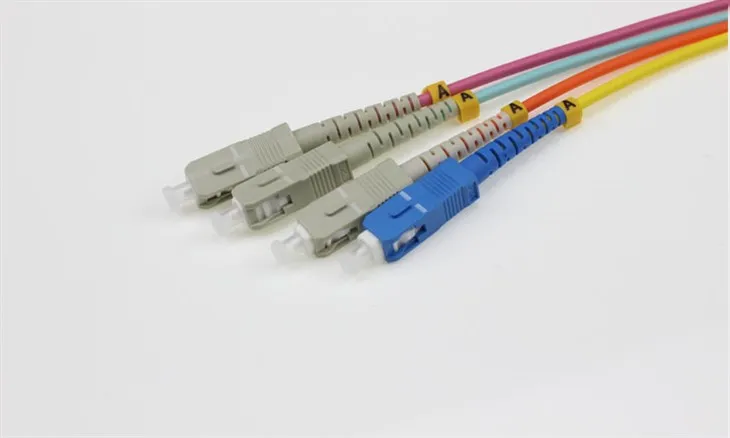
For example, the connectors of SC and LC pigtails are different from the ST connectors. The end - face geometry and the way they are installed in a system can vary. So, when you're testing these different types of pigtails, you need to adjust your testing methods and equipment accordingly.
Ensuring Consistent Quality
As a supplier of Fiber Optic ST Pigtails, I know how important it is to ensure consistent quality. That's why I perform these tests on every pigtail before it leaves my facility. By doing so, I can guarantee that my customers are getting a high - quality product that will perform well in their applications.
Contact for Purchase
If you're in the market for Fiber Optic ST Pigtails, or if you have any questions about testing or our products, don't hesitate to reach out. I'm here to help you find the right solution for your needs. Whether you're setting up a new network or upgrading an existing one, I can provide you with top - notch pigtails that have been thoroughly tested.
References
- "Fiber Optic Test and Measurement" by Jeff Hecht
- "Optical Fiber Communications: Principles and Practice" by John M. Senior