In the dynamic landscape of modern communication, the demand for high - speed, reliable data transmission is ever - increasing. CATV (Cable Television) systems, which have evolved from simple analog broadcast platforms to complex digital networks capable of delivering high - definition video, broadband internet, and interactive services, require advanced components to meet these escalating requirements. One such component that has drawn attention is the Fiber Optic MU Adapter. As a supplier of Fiber Optic MU Adapters, I am often asked whether these adapters can be used in CATV systems. In this blog post, I will delve into the technical aspects, advantages, and potential challenges of using Fiber Optic MU Adapters in CATV systems.
Understanding the Basics: Fiber Optic MU Adapters
Before we discuss the suitability of Fiber Optic MU Adapters for CATV systems, it's essential to understand what they are. The MU (Miniature Unit) connector is a small - form - factor fiber optic connector. It was developed to meet the need for high - density fiber optic connections in telecommunications and data centers. The MU connector features a 1.25mm ferrule, which is half the size of the more common SC connector. This smaller size allows for a greater number of connections in a given space, making it ideal for applications where space is at a premium.
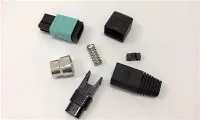
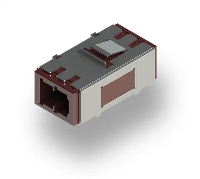
The Fiber Optic MU Adapter is designed to connect two MU - terminated fiber optic cables or devices. It provides a physical interface that aligns the fiber cores precisely, enabling efficient light transmission between the connected fibers. These adapters are available in various configurations, including single - mode and multi - mode versions, to accommodate different types of fiber optic systems.
CATV Systems: An Overview
CATV systems have come a long way since their inception. Initially, they were used primarily to distribute television signals to areas with poor over - the - air reception. However, with the advent of digital technology, CATV systems have expanded their capabilities to include broadband internet access and voice services.
Modern CATV systems use a hybrid fiber - coaxial (HFC) architecture. In this architecture, fiber optic cables are used for long - distance transmission from the headend (the central distribution point) to the neighborhood nodes. From there, coaxial cables are used to connect the nodes to individual homes or businesses. The use of fiber optic cables in CATV systems offers several advantages, including higher bandwidth, longer transmission distances, and immunity to electromagnetic interference.
Can a Fiber Optic MU Adapter be Used in CATV Systems?
The short answer is yes, a Fiber Optic MU Adapter can be used in CATV systems. Here are some reasons why:
1. High - Density Connectivity
As mentioned earlier, CATV systems often require a large number of fiber optic connections, especially at the headend and neighborhood nodes. The small size of the MU connector allows for a higher density of connections compared to other connector types. For example, in a rack - mounted fiber optic patch panel, using MU adapters can significantly increase the number of available ports, enabling more efficient use of space. This is particularly important in large - scale CATV installations where space is limited.
2. Compatibility with Existing Infrastructure
Fiber Optic MU Adapters can be integrated into existing CATV systems with relative ease. Most modern fiber optic equipment is designed to be compatible with multiple connector types, including MU. This means that CATV operators can use MU adapters to connect new equipment or upgrade their existing systems without having to replace all of their fiber optic cables or devices.
3. Low Insertion Loss
Insertion loss is a critical parameter in fiber optic systems, as it affects the quality and reliability of the transmitted signal. Fiber Optic MU Adapters are designed to have low insertion loss, typically less than 0.3dB. This low insertion loss ensures that the signal degradation is minimized, allowing for high - quality signal transmission over long distances. In CATV systems, where high - definition video and broadband internet signals need to be transmitted without significant loss, low insertion loss is essential.
4. High Return Loss
Return loss is another important parameter that measures the amount of light reflected back from the connector interface. A high return loss indicates that less light is being reflected, which reduces the potential for signal interference. Fiber Optic MU Adapters typically have high return loss values, usually greater than 50dB. This high return loss helps to maintain the integrity of the transmitted signal and improves the overall performance of the CATV system.
Potential Challenges
While Fiber Optic MU Adapters offer many advantages for CATV systems, there are also some potential challenges that need to be considered:
1. Cost
The cost of Fiber Optic MU Adapters can be higher than that of other connector types, such as Fiber Optic Sc Adapter. This is due in part to the smaller size and more precise manufacturing requirements of the MU connector. However, as the demand for high - density connectivity increases, the cost of MU adapters is expected to decrease over time.


2. Handling and Installation
The small size of the MU connector can make it more challenging to handle and install compared to larger connector types. Specialized tools and training may be required to ensure proper installation and alignment of the fibers. This can increase the installation time and cost, especially for large - scale CATV projects.
3. Limited Availability
Although the popularity of the MU connector is growing, it may still be less widely available than other connector types in some regions. This can make it more difficult to source replacement parts or find technicians with experience in working with MU connectors.
Other Fiber Optic Adapters in CATV Systems
In addition to the Fiber Optic MU Adapter, there are other types of fiber optic adapters that are commonly used in CATV systems. For example, the Fiber Optic Fc Adaptor is a threaded connector that is known for its high precision and reliability. It is often used in applications where a secure and stable connection is required, such as in long - distance fiber optic links.
The Fiber Optic E2000 Adapter is another popular choice. It features a shutter mechanism that protects the fiber end - face from dust and contamination, which helps to maintain low insertion loss and high return loss.
Conclusion
In conclusion, a Fiber Optic MU Adapter can be a viable option for use in CATV systems. Its high - density connectivity, low insertion loss, and high return loss make it well - suited for the demanding requirements of modern CATV networks. However, potential challenges such as cost, handling, and availability need to be carefully considered.
As a supplier of Fiber Optic MU Adapters, I am committed to providing high - quality products and technical support to our customers. If you are considering using Fiber Optic MU Adapters in your CATV system or have any questions about our products, I encourage you to contact us for a detailed discussion and to explore potential purchasing opportunities. Our team of experts is ready to assist you in finding the best solutions for your specific needs.
References
- "Fiber Optic Communication Systems" by Govind P. Agrawal
- "Cable Television Engineering Handbook" by Jerry Whitaker
- Industry whitepapers on fiber optic connectors and CATV systems.