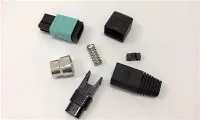
As a supplier of Fiber Optic LC Pigtails, I often get asked whether these essential networking components are affected by sunlight. This is an important question, especially for outdoor installations where exposure to sunlight is inevitable. In this blog, I'll delve into the science behind how sunlight can impact Fiber Optic LC Pigtails, explore relevant factors, and provide some insights on ensuring their optimal performance even in sunlit environments.
Understanding Fiber Optic LC Pigtails
Before discussing the effects of sunlight, let's briefly understand what Fiber Optic LC Pigtails are. They are single - fiber cables with an LC connector pre - attached at one end. These pigtails are commonly used in fiber optic networks to connect equipment such as switches, routers, and patch panels. They come in different types, like single - mode and multi - mode, and play a key role in facilitating high - speed data transmission.
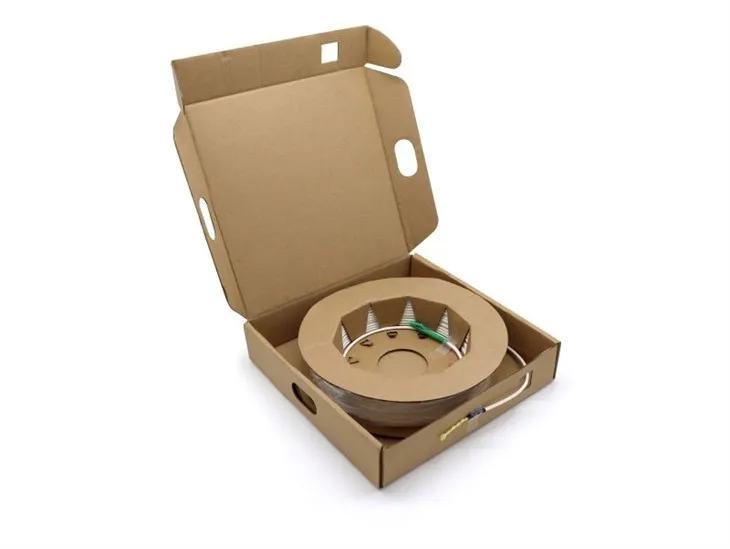

How Can Sunlight Affect Fiber Optic LC Pigtails?
1. Temperature Rise
Sunlight is a significant source of heat. When Fiber Optic LC Pigtails are exposed to direct sunlight, the temperature of the cables can increase. Elevated temperatures can have several negative impacts on the performance of the pigtails.
The optical fibers inside the pigtails are made of glass, which has a coefficient of thermal expansion. As the temperature rises, the glass fibers can expand slightly. This expansion can cause micro - bending in the fibers, which in turn leads to increased signal loss. The signal being transmitted through the fiber is more likely to scatter due to these micro - bends, reducing the overall efficiency of the network. In extreme cases, if the temperature gets too high, it could even cause permanent damage to the fibers, leading to complete signal failure.
2. UV Degradation
Sunlight contains ultraviolet (UV) radiation. The outer jacket of Fiber Optic LC Pigtails is typically made of plastic materials like PVC or polyethylene. These plastics are susceptible to UV degradation.
Over time, continuous exposure to UV rays can cause the outer jacket to become brittle, crack, or discolor. Once the outer jacket is compromised, it loses its ability to protect the internal optical fibers. Moisture, dust, and other contaminants can then penetrate the cable, causing further damage to the fibers and increasing the risk of signal interference.
3. Coating Changes
The optical fibers in Fiber Optic LC Pigtails have a thin coating that helps to protect them from mechanical stress and environmental factors. Sunlight can also affect this coating.
The heat and UV radiation from sunlight can cause the coating to break down or change its properties. A damaged coating may not adhere properly to the fiber, leading to increased friction between the fiber and the jacket, which can cause micro - bends and signal loss. Additionally, a degraded coating may not provide adequate protection against moisture and other environmental elements.
Factors Influencing the Impact of Sunlight
1. Duration of Exposure
The longer the Fiber Optic LC Pigtails are exposed to sunlight, the greater the potential for damage. Short - term exposure, such as a few hours on a sunny day, may not cause significant harm. However, continuous exposure over days, weeks, or months can lead to cumulative damage to the cables and connectors.
2. Intensity of Sunlight
The intensity of sunlight varies depending on the geographical location, time of day, and season. Areas closer to the equator generally receive more intense sunlight with higher UV levels. Similarly, during summer months, the sun is stronger, and the risk of damage to the pigtails is higher compared to winter months.
3. Quality of the Pigtails
The quality of the Fiber Optic LC Pigtails also plays a crucial role in how they withstand sunlight. High - quality pigtails are often made with UV - resistant materials for the outer jacket and have better - formulated coatings on the fibers. These pigtails are more likely to resist the effects of sunlight and maintain their performance over a longer period.
Mitigating the Effects of Sunlight
1. Use of UV - Resistant Pigtails
As a supplier, I offer a range of Fiber Optic LC Pigtails that are specifically designed to be UV - resistant. These pigtails have an outer jacket made of materials that can withstand UV radiation without degrading quickly. By choosing UV - resistant pigtails for outdoor installations, customers can significantly reduce the risk of damage caused by sunlight.
2. Proper Installation
Proper installation is key to protecting Fiber Optic LC Pigtails from sunlight. Installing the pigtails in shaded areas or using conduit or raceways to shield them from direct sunlight can help reduce the temperature rise and exposure to UV rays. Additionally, ensuring that the pigtails are well - secured and not bent or twisted during installation can prevent micro - bends caused by mechanical stress, which can be exacerbated by heat.
3. Regular Inspections
Regular inspections of the Fiber Optic LC Pigtails installed outdoors are essential. During these inspections, check for signs of UV degradation such as cracks, brittleness, or discoloration on the outer jacket. Also, measure the signal loss regularly to identify any potential issues early on. If any damage is detected, the affected pigtails should be replaced promptly to avoid network disruptions.
Other Related Fiber Optic Products
In addition to Fiber Optic LC Pigtails, we also offer a variety of other fiber optic products. For example, our Lc Simplex Fiber Patch Cord is another popular option for fiber optic networks. These patch cords are useful for making quick and easy connections between devices. We also have Fiber Optic St Pigtails, which are commonly used in older fiber optic network installations. And our Fiber Optic Pigtail Fc Apc 12 Colors provide flexibility in color coding for different network applications.
Conclusion and Call to Action
In conclusion, sunlight can indeed have a significant impact on Fiber Optic LC Pigtails. The temperature rise, UV degradation, and coating changes caused by sunlight can lead to signal loss, cable damage, and network disruptions. However, by understanding these potential issues and taking appropriate measures such as using UV - resistant pigtails, proper installation, and regular inspections, customers can ensure the long - term performance of their fiber optic networks.
If you are in the market for Fiber Optic LC Pigtails or any other fiber optic products, we are here to help. Our team of experts can provide you with the best solutions tailored to your specific needs. Contact us today to start a discussion about your fiber optic requirements and explore how our products can benefit your network.
References
- "Fiber Optics for Dummies." Wiley.
- Industry standards and guidelines on fiber optic installation and maintenance.